Badwater is a month away, so I’ve had acclimation and heat training on the brain.
My goal: Do not die in Death Valley.
I’m not running the race — I’m only covering it for OFFduty — but I’m still doing all I can to prepare for the wicked hot weather that comes with this brutally difficult ultramarathon.
[I’ve got it much easier than the five military runners we’ll be covering — they’ve got 135 miles of sizzling pavement ahead of them. Check out their stories here.]
Two weeks ago, I began heat training to help my body acclimate to the extra heat stress. My training includes things such as reading US Weekly sweating in the sauna and running in the steamy D.C. afternoons, two strategies I hope will get me as ready as possible in the next four weeks.
For more advice, I called Army Col. (Dr.) Francis O’Connor, medical director of the Consortium for Health and Military Performance in Bethesda, Md., looking for tips on surviving multiple days in extreme conditions.
He explained that heat can accumulate in the body from one day to the next, and that if someone doesn’t get rid of this extra heat — “heat dumping” — then they could end up in big trouble.
“Most heat strokes occur in the morning because of accumulated heat,” O’Connor told me.
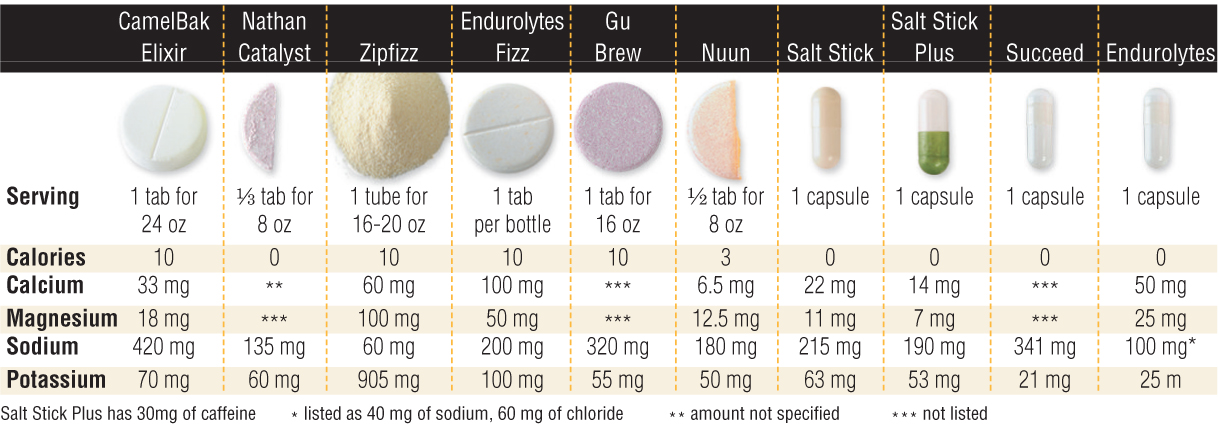
He stressed that to stay healthy at Badwater, I’d have to dump all that extra heat at night by getting into an air conditioned space or taking a cold shower — things the runners will have a harder time doing. He of course reminded me about wearing light-colored clothing and staying hydrated. (Check out our electrolyte supplement chart; click to view it larger).
And yes, mother, I will wear my sunscreen.
For more summer tips, and a good way to acclimate for your target event, check out our story in OFFduty, here.
Follow us on Twitter @PT365 for updates from the race.