-
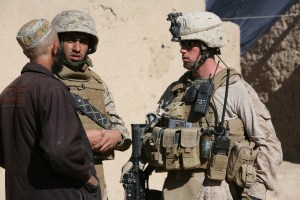
‘No one left behind’ means interpreters too
We must urge our elected leaders to dedicate resources to getting our interpreters and other allies to safety; if not to the U.S., then at least to a country where they will not be hunted down and slaughtered because of their support of our nation.
-
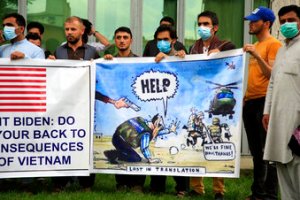
We owe more to Afghans who risked their lives for us
What unfolded in the execution of the policy to exit Afghanistan has been a disaster.
-
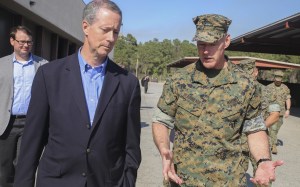
To troops who served in Afghanistan: Yes, you made a difference
Former Rep. Mac Thornberry, R-Texas, argues troops in Afghanistan should remain proud of their accomplishments.
-
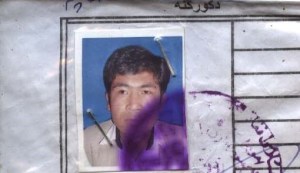
Living in fear of the Taliban: a letter from a former Afghan translator
An Afghan translator talks about being taken captive by the Taliban.
-
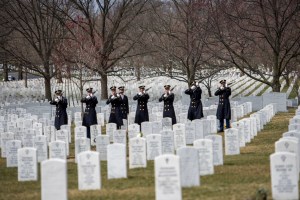
The Army must change Arlington burial rules proposal that breaks promise to retirees
The changes proposed will render those who honorably served 20 or more years ineligible for in-ground burial and the military honors currently afforded to retirees at Arlington.
-
Congress should increase access to prostate cancer care for veterans
Even when cancer is identified, the Department of Veterans Affairs (VA) lacks an adequate plan to protect veterans from this deadly disease.
-
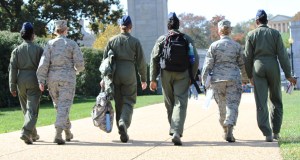
Support is needed for women warriors living with PTSD
Women are the fastest growing cohort in the veteran community, representing just over 16 percent of today’s active-duty and about 10 percent of those separated.
-

How to win a Veterans Affairs medical malpractice claim
It is important that if you believe you have a claim against the VA, you know your rights so you can receive the compensation you deserve.
-
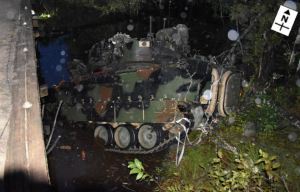
More is needed to lower shocking death toll from preventable military training accidents
From 2010–2019 there were more than 3,700 tactical vehicle noncombat accidents in the Army and Marine Corps.
-
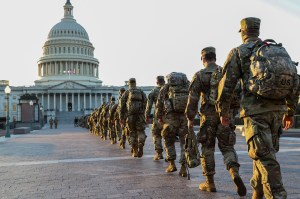
The National Guard needs funding, not platitudes
Can the National Guard continue to retain talent at the level needed in the era of “great power competition” when more lucrative, time-saving opportunities present themselves in the civilian world?
-
‘No one left behind’ means interpreters too
We must urge our elected leaders to dedicate resources to getting our interpreters and other allies to safety; if not to the U.S., then at least to a country where they will not be hunted down and slaughtered because of their support of our nation.
-
We owe more to Afghans who risked their lives for us
What unfolded in the execution of the policy to exit Afghanistan has been a disaster.
-
To troops who served in Afghanistan: Yes, you made a difference
Former Rep. Mac Thornberry, R-Texas, argues troops in Afghanistan should remain proud of their accomplishments.
-
Living in fear of the Taliban: a letter from a former Afghan translator
An Afghan translator talks about being taken captive by the Taliban.
-
The Army must change Arlington burial rules proposal that breaks promise to retirees
The changes proposed will render those who honorably served 20 or more years ineligible for in-ground burial and the military honors currently afforded to retirees at Arlington.
-
Congress should increase access to prostate cancer care for veterans
Even when cancer is identified, the Department of Veterans Affairs (VA) lacks an adequate plan to protect veterans from this deadly disease.
-
Support is needed for women warriors living with PTSD
Women are the fastest growing cohort in the veteran community, representing just over 16 percent of today’s active-duty and about 10 percent of those separated.
-
How to win a Veterans Affairs medical malpractice claim
It is important that if you believe you have a claim against the VA, you know your rights so you can receive the compensation you deserve.
-
More is needed to lower shocking death toll from preventable military training accidents
From 2010–2019 there were more than 3,700 tactical vehicle noncombat accidents in the Army and Marine Corps.
-
The National Guard needs funding, not platitudes
Can the National Guard continue to retain talent at the level needed in the era of “great power competition” when more lucrative, time-saving opportunities present themselves in the civilian world?
-
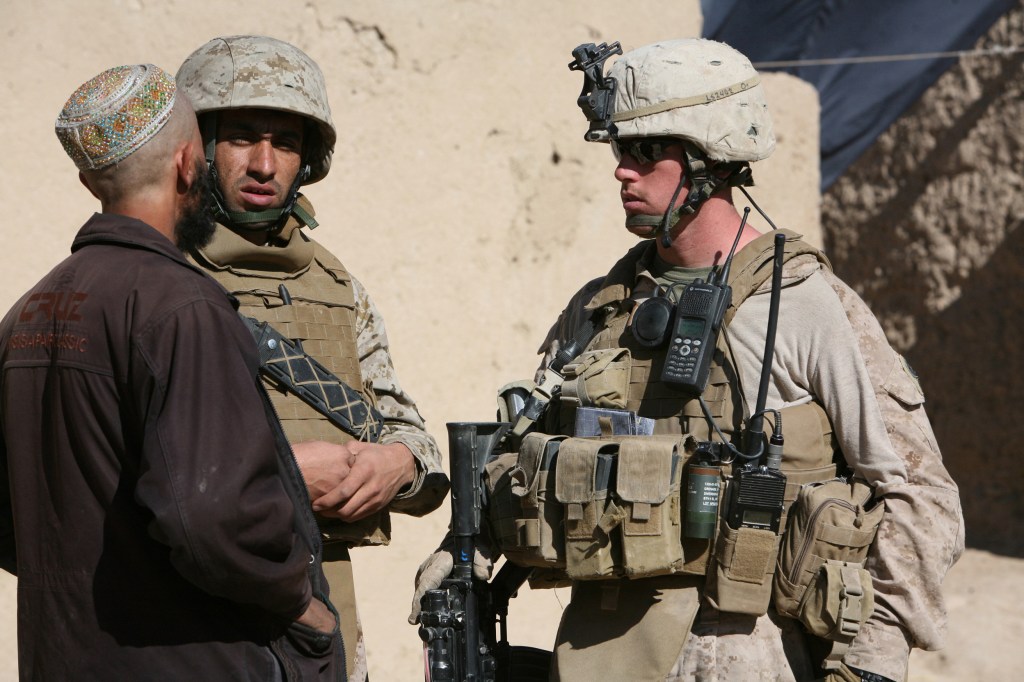
‘No one left behind’ means interpreters too
We must urge our elected leaders to dedicate resources to getting our interpreters and other allies to safety; if not to the U.S., then at least to a country where they will not be hunted down and slaughtered because of their support of our nation.
-

We owe more to Afghans who risked their lives for us
What unfolded in the execution of the policy to exit Afghanistan has been a disaster.
-
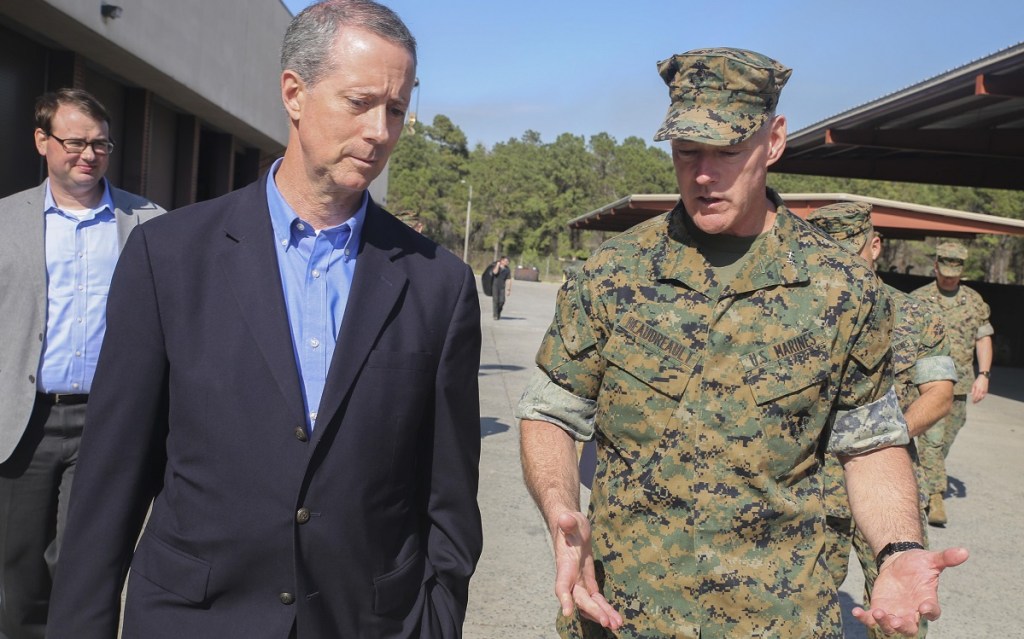
To troops who served in Afghanistan: Yes, you made a difference
Former Rep. Mac Thornberry, R-Texas, argues troops in Afghanistan should remain proud of their accomplishments.
-
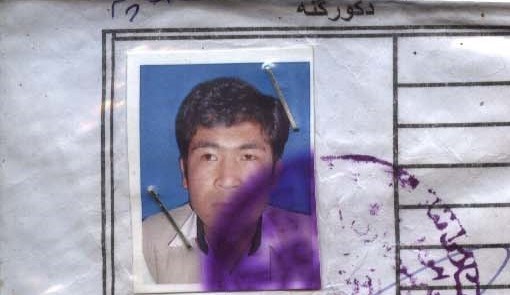
Living in fear of the Taliban: a letter from a former Afghan translator
An Afghan translator talks about being taken captive by the Taliban.
-

The Army must change Arlington burial rules proposal that breaks promise to retirees
The changes proposed will render those who honorably served 20 or more years ineligible for in-ground burial and the military honors currently afforded to retirees at Arlington.
-
Congress should increase access to prostate cancer care for veterans
Even when cancer is identified, the Department of Veterans Affairs (VA) lacks an adequate plan to protect veterans from this deadly disease.
-
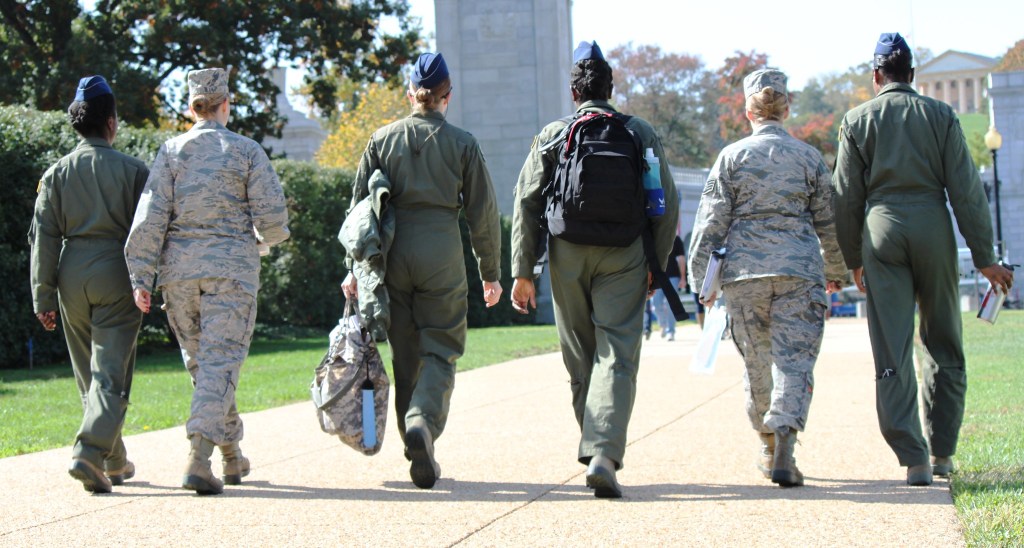
Support is needed for women warriors living with PTSD
Women are the fastest growing cohort in the veteran community, representing just over 16 percent of today’s active-duty and about 10 percent of those separated.
-
How to win a Veterans Affairs medical malpractice claim
It is important that if you believe you have a claim against the VA, you know your rights so you can receive the compensation you deserve.
-
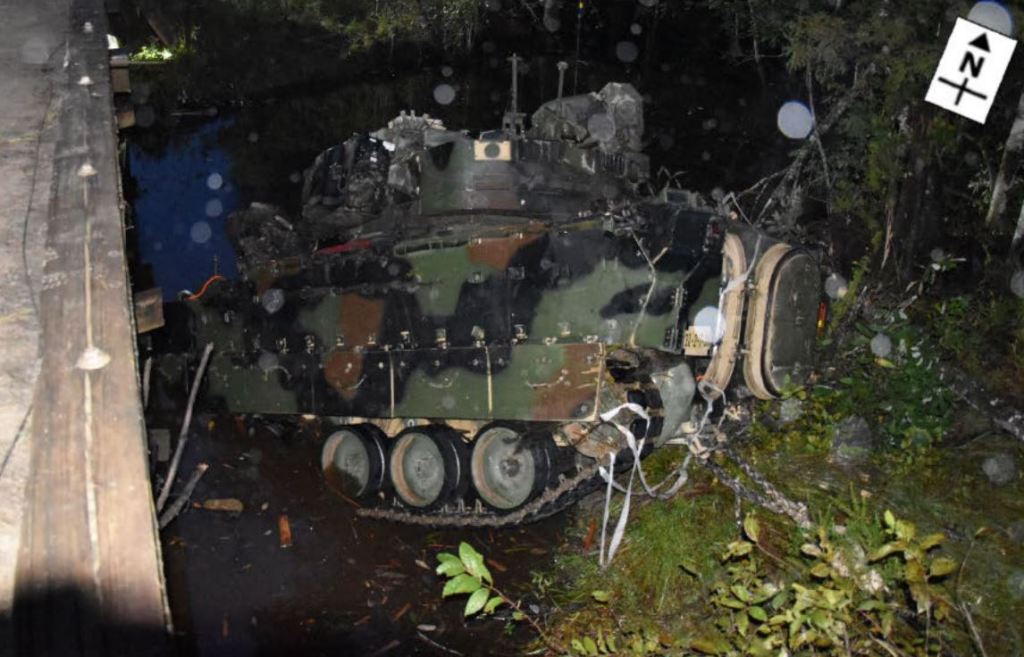
More is needed to lower shocking death toll from preventable military training accidents
From 2010–2019 there were more than 3,700 tactical vehicle noncombat accidents in the Army and Marine Corps.
-
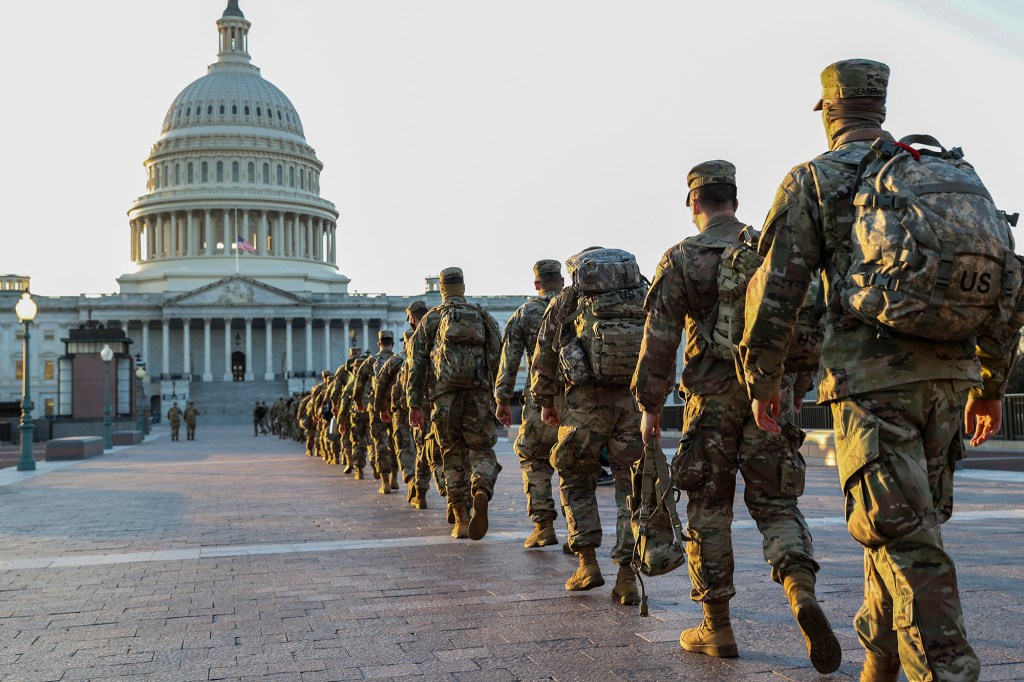
The National Guard needs funding, not platitudes
Can the National Guard continue to retain talent at the level needed in the era of “great power competition” when more lucrative, time-saving opportunities present themselves in the civilian world?