Plans for a comprehensive Veterans Affairs Department reform bill that appeared all but finished a month ago devolved into partisan bickering and funding fights on Thursday, casting doubt on the future of a deal.
House and Senate leaders insisted they’re still hopeful a compromise can be reached next week while simultaneously blaming the other side for putting their own agendas ahead of veterans’ interests.
At issue is potentially tens of billions of dollars in VA funding in coming years, money that lawmakers, veterans’ advocates and department leaders all say is desperately needed to help fix problems with VA medical appointment wait times, benefits processing, and leadership accountability.
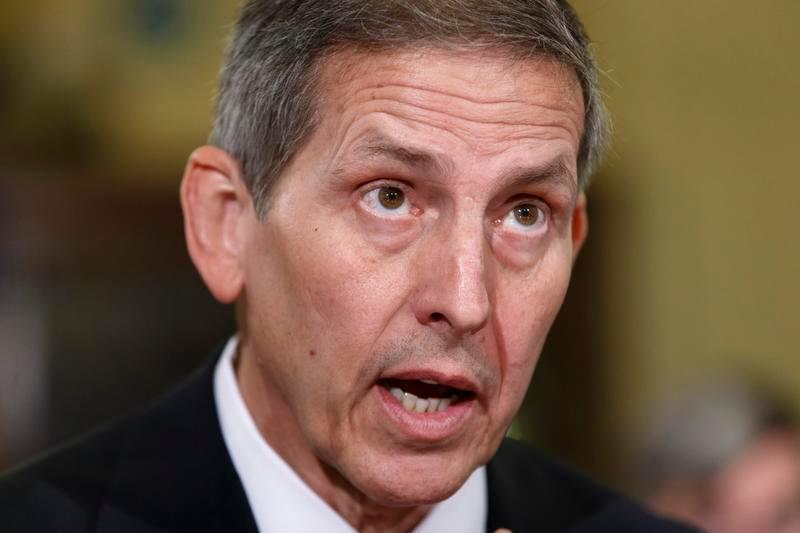
Acting VA Secretary Sloan Gibson appeared before the House Veterans’ Affairs Committee in the morning to lobby for $17.6 billion in new funding over three years to hire 10,000 new clinicians and acquire more clinic space, in an effort to ensure veterans won’t have lengthy waits to see primary care and mental health specialists.
That request has drawn support in the Senate but scorn from House members, who said they’ve received few details on how the money will be spent. Committee Chairman Rep. Jeff Miller, R-Fla., ridiculed a three-page summary of the funding request as laughable, given the size and importance of the issue.
“Our veterans certainly deserve the best, but just throwing billions upon billions of dollars into a system that has never been denied a dime will not automatically fix the perverse culture that has encompassed [VA],” he said.
At a hastily arranged conference committee meeting hours later, Miller unveiled a new proposal for a compromise VA reform bill. It would total about $10 billion in emergency funding, to pay for expanded private care options for veterans facing long wait times or living in rural areas far from VA clinics.
Both the House and Senate passed similar legislation last month, with respective price tags of $44 billion and $35 billion. The new Miller proposal would not include recurring costs and instead would serve as a “down payment” on an expansion of services for veterans while leaving future-year spending to future appropriations processes.
House members have insisted on offsets to pay for previous reform measures, but Miller said his $10 billion plan would be paid for through emergency funding, to ease Senate objections.
But instead of smoothing the waters, the proposal raised new tensions between the two chambers.
Miller has scheduled a Monday conference committee vote on the measure, without consulting with co-chair Sen. Bernie Sanders, I-Vt. Only one Democrat attended Thursday’s conference committee meeting, and Sanders accused Miller of politicizing the process.
“His idea of negotiations is, ‘We have a proposal, take it or leave it,’ ” Sanders said. “Any sixth-grader understands this is not negotiation, this is not what democracy is about.”
Sanders is now backing a new legislative package with a price tag of $23 billion to $25 billion, which would incorporate the private care expansion for veterans but also include money for hiring some of the 10,000 clinicians VA has requested. He said that move will provide long-term fixes for the department, not just short-term relief.
Both measures would make it easier to fire senior VA leaders for mismanagement and poor performance, require new reviews of VA wait times and employee performance metrics, and limit bonuses to department employees.
Veterans advocates have backed various versions of the bills, all with the caveat that lawmakers need to pass something before they leave for the August recess. That starts next week, giving lawmakers just a few days to sort out their differences.
On Thursday, representatives from leading veterans’ groups told the House Veterans’ Affairs Committee that VA is woefully underfunded, despite dramatic budget increases from Congress in recent years. They said significant funding boosts are needed quickly to ensure veterans don’t face problems with access to basic health care.
But when Miller asked if they supported the new $17.6 billion request, they deferred, saying they don’t know the specifics of that plan.
Miller said that shows the uncertainty surrounding VA’s latest numbers. Sanders brandished a letter from 16 veterans groups backing at least parts of that request, saying Congress can’t adopt partial solutions.
Both Miller and Sanders had expressed hope of passing comprehensive veterans legislation by mid-June, then by July 4, then by the end of July. By the end of Thursday, both expressed only exasperated optimism, promising to try and find common ground before the legislative calendar deadline.
Meanwhile, Gibson said his department is moving ahead with a host of other reforms to try and rebuild public trust after months of VA scandals.
He predicted that VA can again be “the trusted provider for veterans’ healthcare and benefits” within two years, but added “that depends on our willingness to seize the opportunity” and find ways to pay for major changes in the department.