-
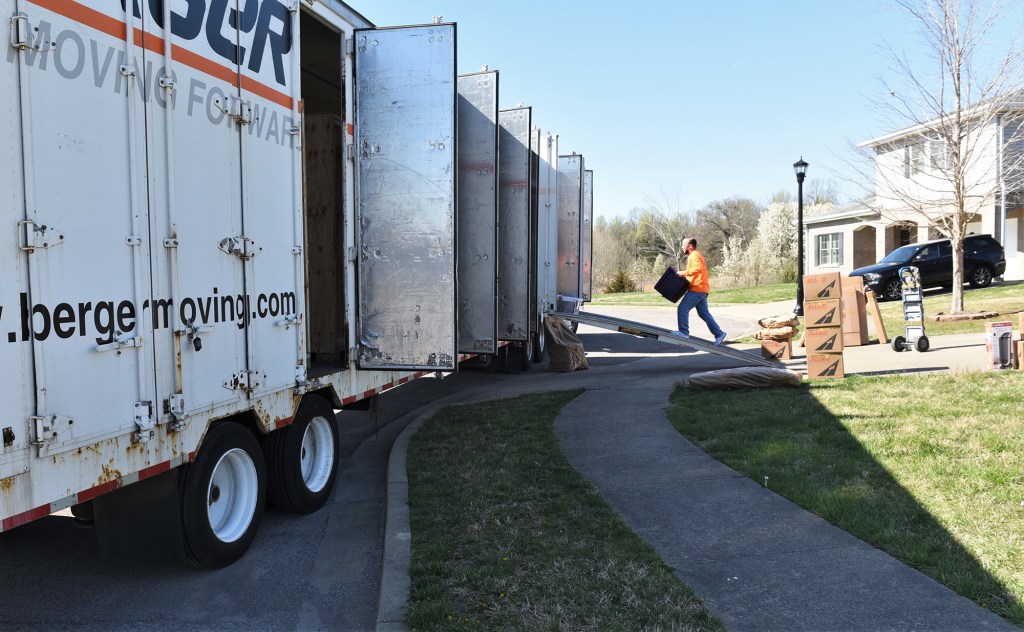
As we move military families, we need to accelerate change or families lose
The outdated Joint Travel Regulation policy does not suit today’s realities, says the author of this commentary.
-
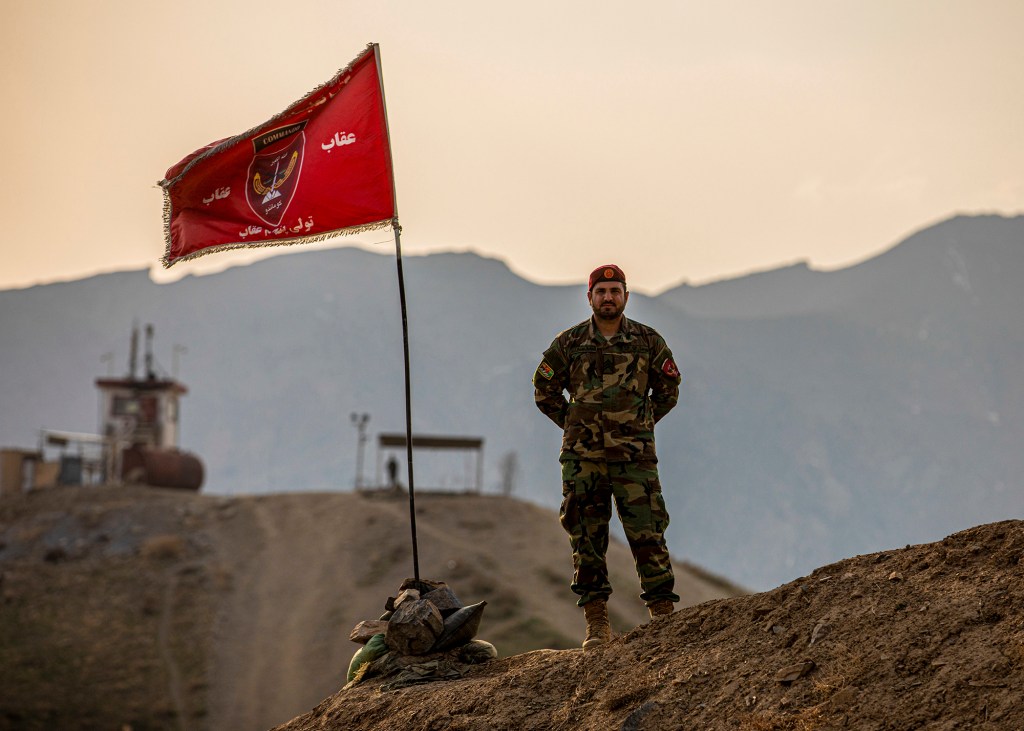
Getting wrong the right way to get out of Afghanistan
If the U.S. is serious about pushing a major peace plan with the Afghans, then it had better stay the course and see them all the way through to a comprehensive peace, says the author of this commentary.
-

New solutions are needed to help with the military suicide stigma
New solutions, such as those put forth by the Brandon Act or a Crisis Response Plan, are needed immediately to help with the military suicide crisis, says the author of this commentary.
-
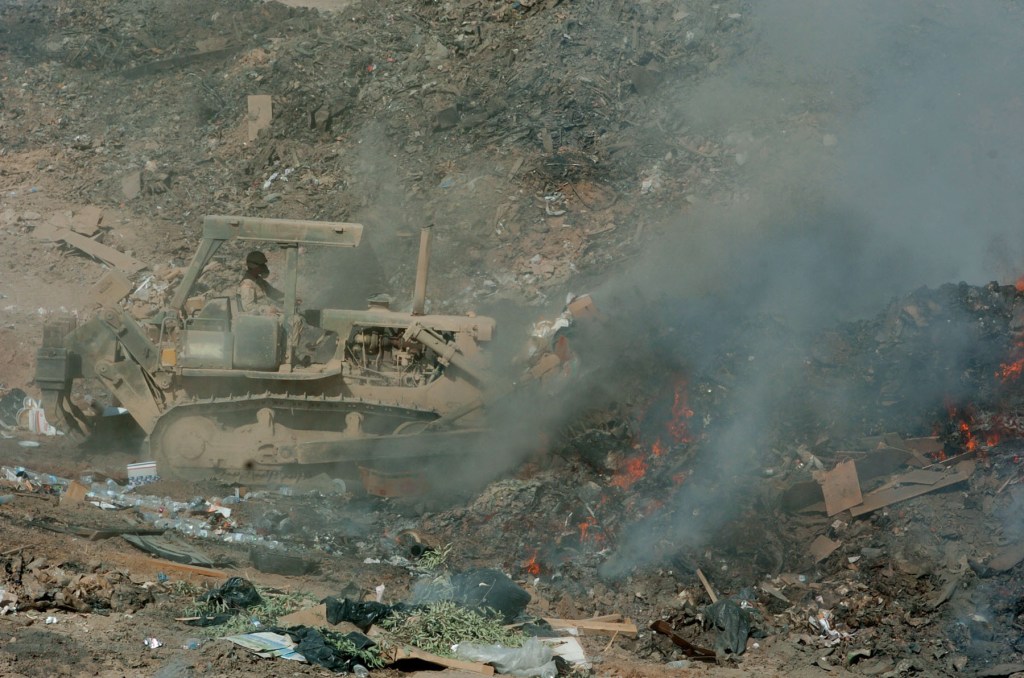
It’s time to solve the puzzle for veterans exposed to toxic hazards
Hope for veterans exposed to toxic exposures is on the horizon with multiple legislative solutions, say the authors of this commentary.
-
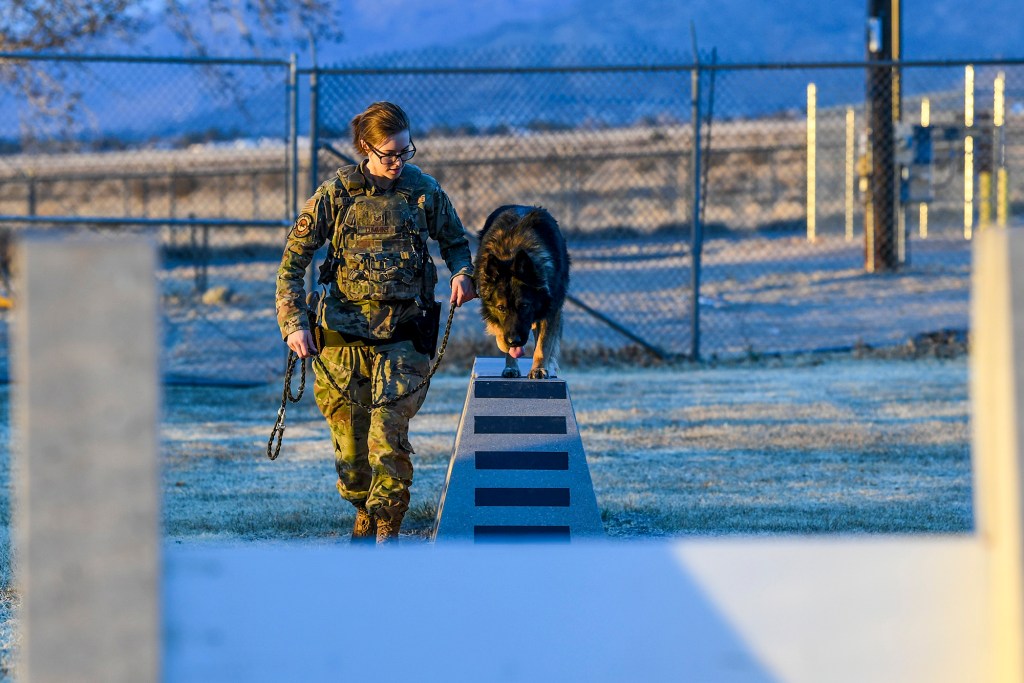
Working dogs: Domestic shortage of key frontline defense against terrorism
More must be done to support a domestic breeding program for military working dogs, says the author of this commentary.
-
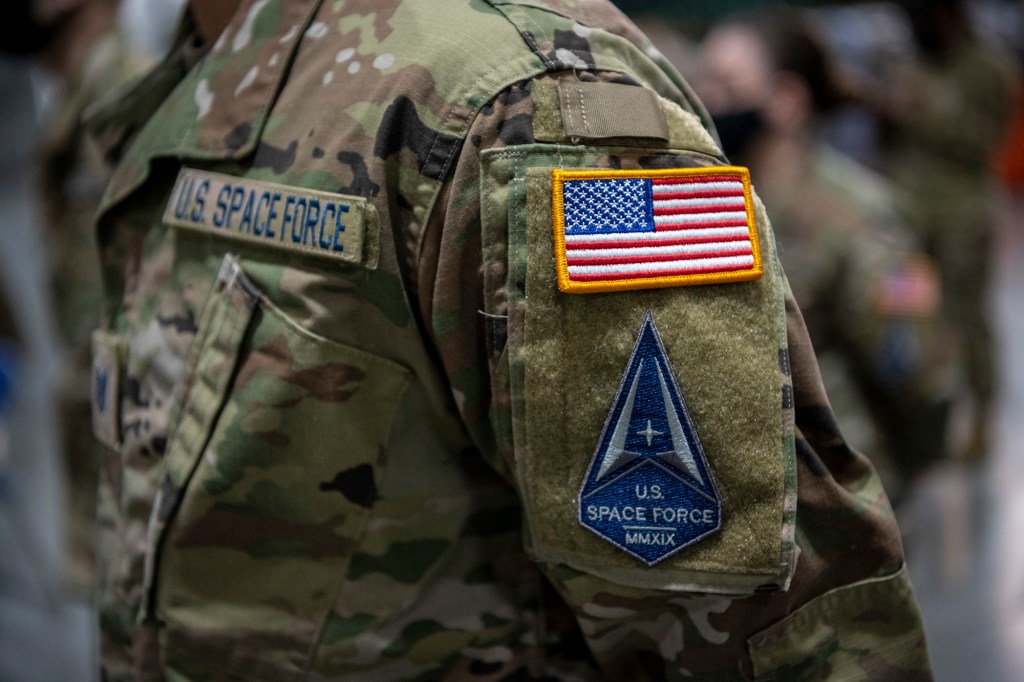
Space Force Reserve too important to be dictated by active duty
The Space Force should release its current plan for a reserve force and solicit feedback, says the author of this commentary.
-
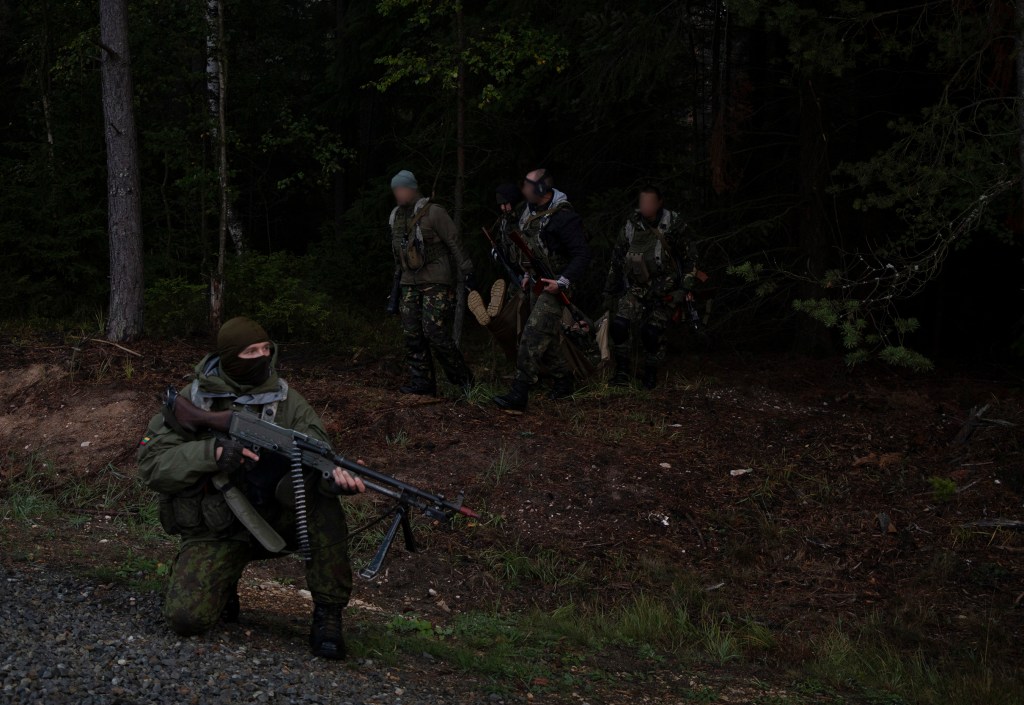
Overmatch by other means: integrating Irregular Warfare into Joint Force Wargaming
Wargaming is an essential component of professional military education, but is it obsolete for the irregular challenges of competition today?
-
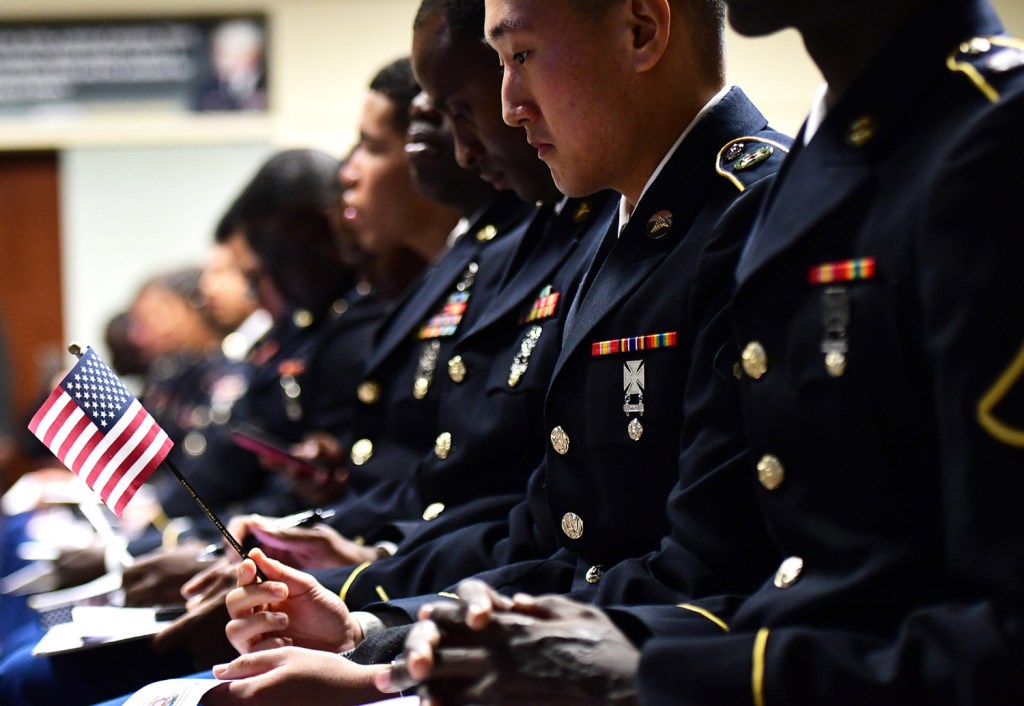
What we owe foreign-born recruits
The Biden administration should fully reinstate the MAVNI program, quickly process naturalization applications and wave penalties for troops who fell out of status while awaiting their orders, says the author of this commentary.
-
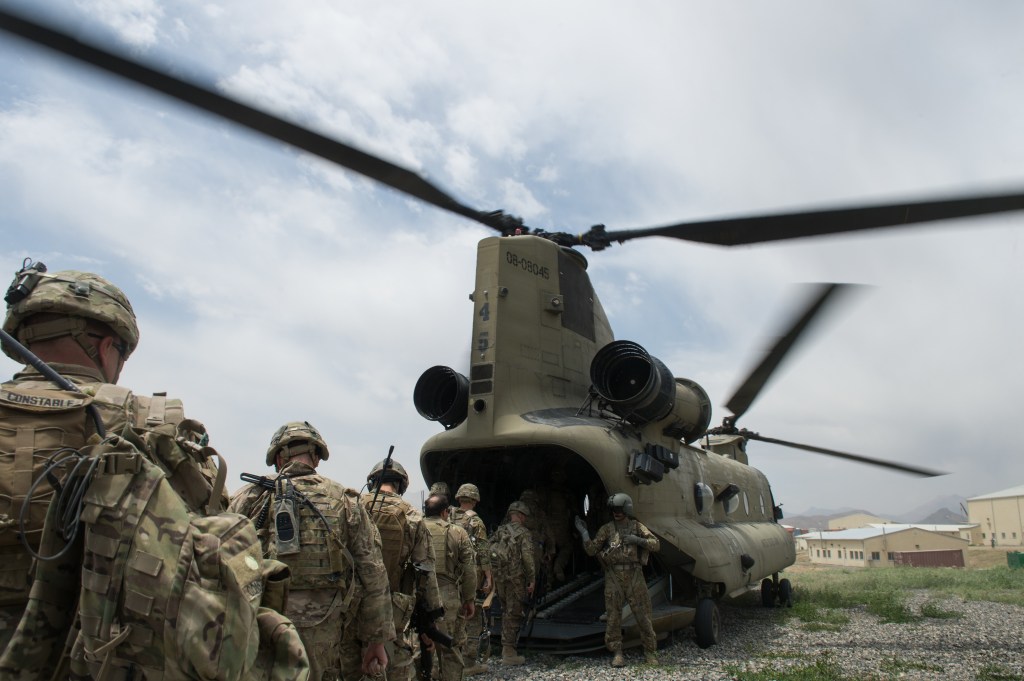
Getting out of forever wars: What are Biden’s options in Afghanistan?
This commentary looks at some of the options President Biden could be considering regarding American troops in Afghanistan.
-
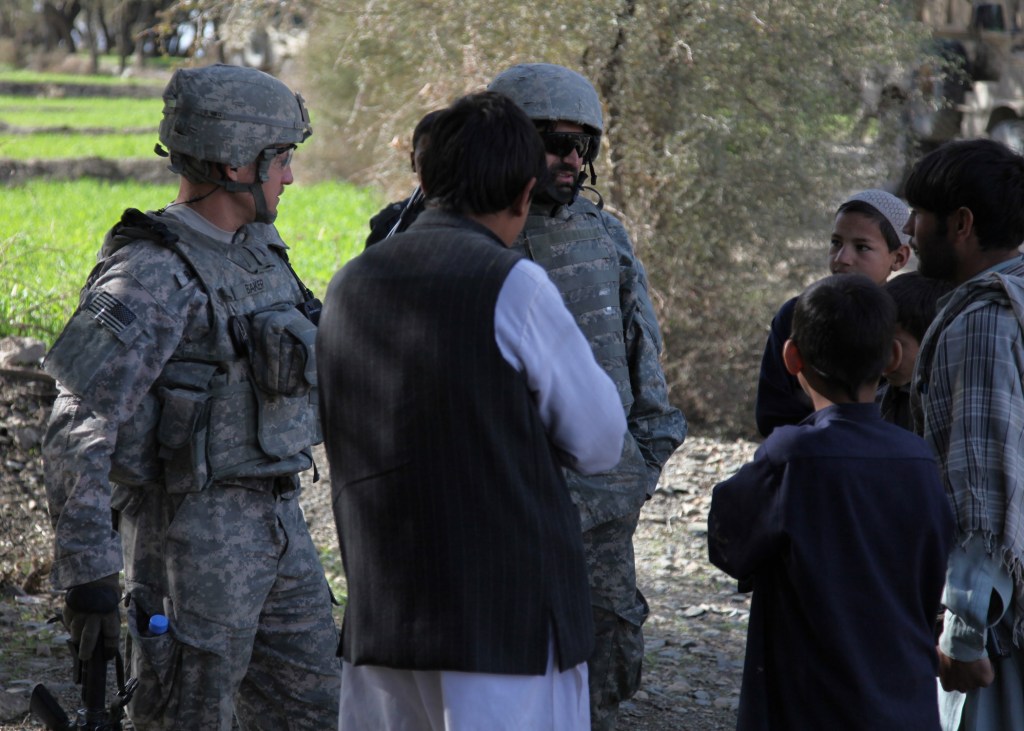
White House eyes ways to speed up visas for foreign interpreters stranded in war zones
More than 100,000 interpreters are seeking asylum in the United States, according to advocates.