Q. If military police arrest a service member at his home, can they search his home as well?
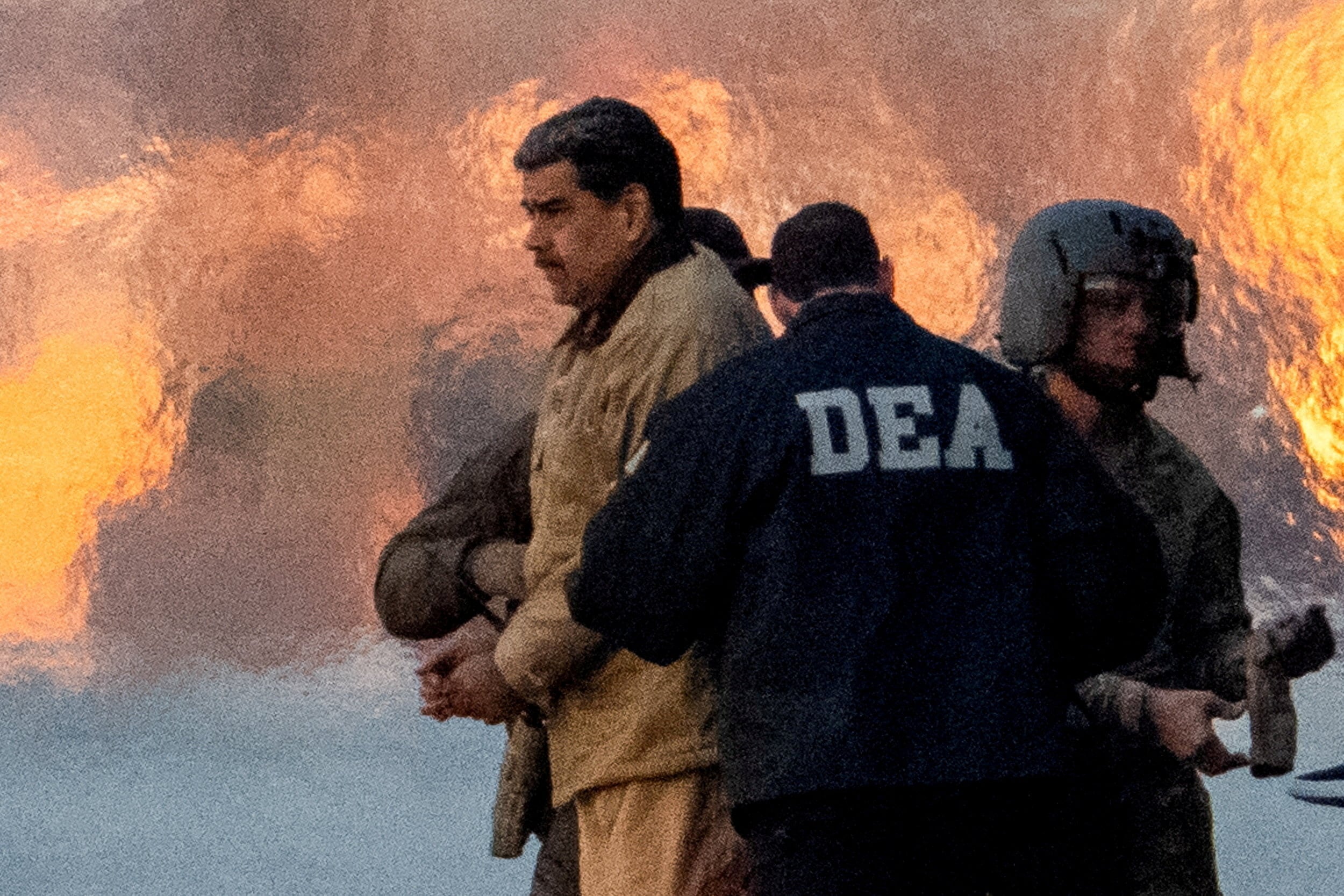
A. An arrest warrant or authorization is not an open invitation for law enforcement officers to search the home of the service member they are arresting and seize items inside it. But under certain circumstances, officials executing the warrant or authorization may be able to conduct a limited search of the home of the person they are arresting and seize items, such as drugs or weapons.
Under the Military Rules of Evidence, a search may be conducted for weapons or destructible evidence in the area within the immediate control of an apprehended person. This area includes only that which the apprehended person could reach with a sudden movement.
Apprehending officials may also look for other persons who might present a danger to them. This would allow them to look in closets or other spaces adjoining the place of apprehension from which an attack might be launched. This type of search may be done as a precautionary matter. There is no requirement that the apprehending official have probable cause or reasonable suspicion.
These searches incident to a lawful apprehension are known as "protective sweeps" — a "quick and limited search of premises conducted to protect the safety of police officers or others," the U.S. Army Court of Criminal Appeals noted in U.S. v. Levi A. Keefauver (2014). If officers concoct a far-fetched safety concern in order to poke around and look for incriminating evidence, their search would be illegal and not a protective sweep.
A protective sweep may amount to a reasonable or unreasonable search, because evidence from an invalid sweep could be deemed inadmissible at trial. In Keefauver, an Army criminal investigator did a protective sweep after the stepson of the appellant, an Army specialist, took a package of marijuana inside his house. The package had been delivered as part of a sting, and the stepson yelled at the special agent when he showed up at the appellant's house.
The special agent arrested the stepson, located the package and then conducted a security sweep, during which he saw drug paraphernalia, rifles and marijuana. The court found this security sweep to be legitimate because investigators could have believed anyone else in the home could have interpreted the stepson's tirade as a warning to destroy evidence.
Other factors that made the sweep justifiable include the unknown location of the household's adults and a drug trafficking expert's testimony that "guns follow drugs." However, the court pointed out that while "the mere presence of a large amount of drugs is a factor that may be considered in the analysis, this fact alone without any other "specific and articulable facts" does not justify a protective sweep.
Mathew B. Tully is a veteran of the wars in Iraq and Afghanistan and founding partner of Tully Rinckey PLLC (www.fedattorney.com). Email questions to askthelawyer@militarytimes.com.