More than a decade of war against terrorist cells has not made top U.S. defense leaders any less worried about traditional threats from other national militaries.
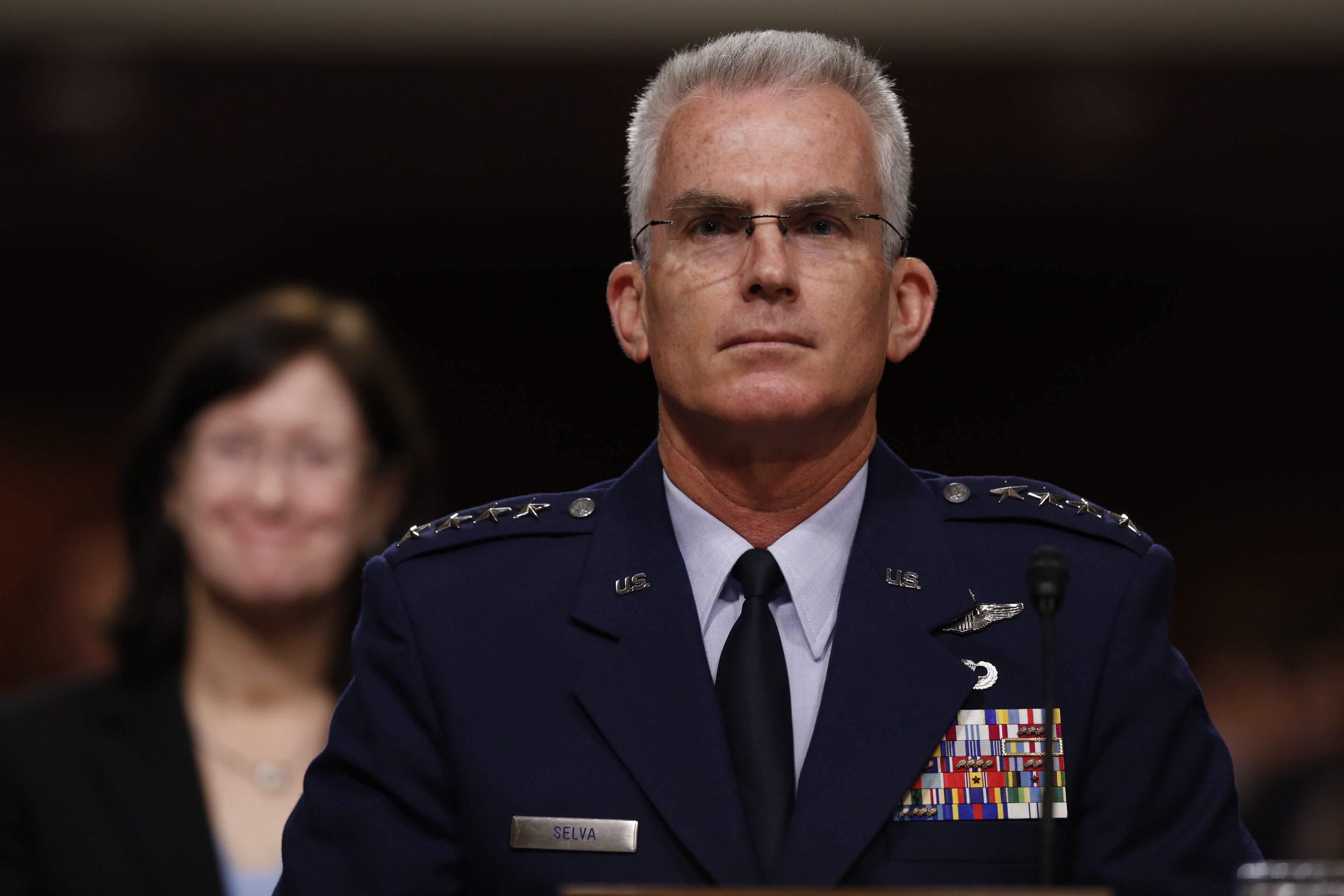
In his Senate confirmation hearing on Tuesday, incoming Joint Chiefs Vice Chairman Gen. Paul Selva listed Russia as the top potential threat facing America today, followed by China, Iran and North Korea.
The Air Force four-star said Russia's erratic foreign policy and nuclear arsenal present a serious "existential" threat to worldwide stability and the U.S. homeland.
In contrast, terrorist groups like al-Qaida and the Islamic State, he said, are "a threat we must deal with," but do "not threaten us at home."
The comments echo similar security priorities listed by Marine Gen. Joseph Dunford Jr., the nominee to become Joint Chiefs chairman, before the same Senate committee a week earlier. Those comments appeared to surprise some lawmakers who have spent the last 14 years scrambling to fund counterinsurgency operations in places like Iraq and Afghanistan.
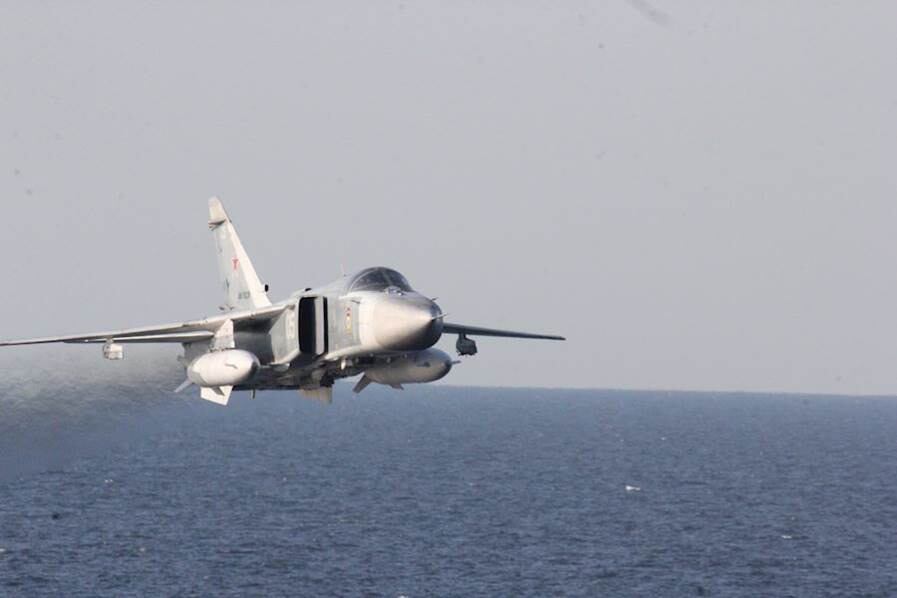
But Selva told senators he believes the majority of top military leaders also would identify Russia as the top threat facing the U.S. military today, even as other immediate fights grab more headlines.
The comments come at a time when the top echelons of Defense Department leadership is undergoing a significant overhaul, with the Senate Armed Services Committee considering nominations of new service chiefs for the Army, Navy and Marine Corps, as well as the top two JCS posts.
Defense Secretary Ash Carter has been in his post for five months.
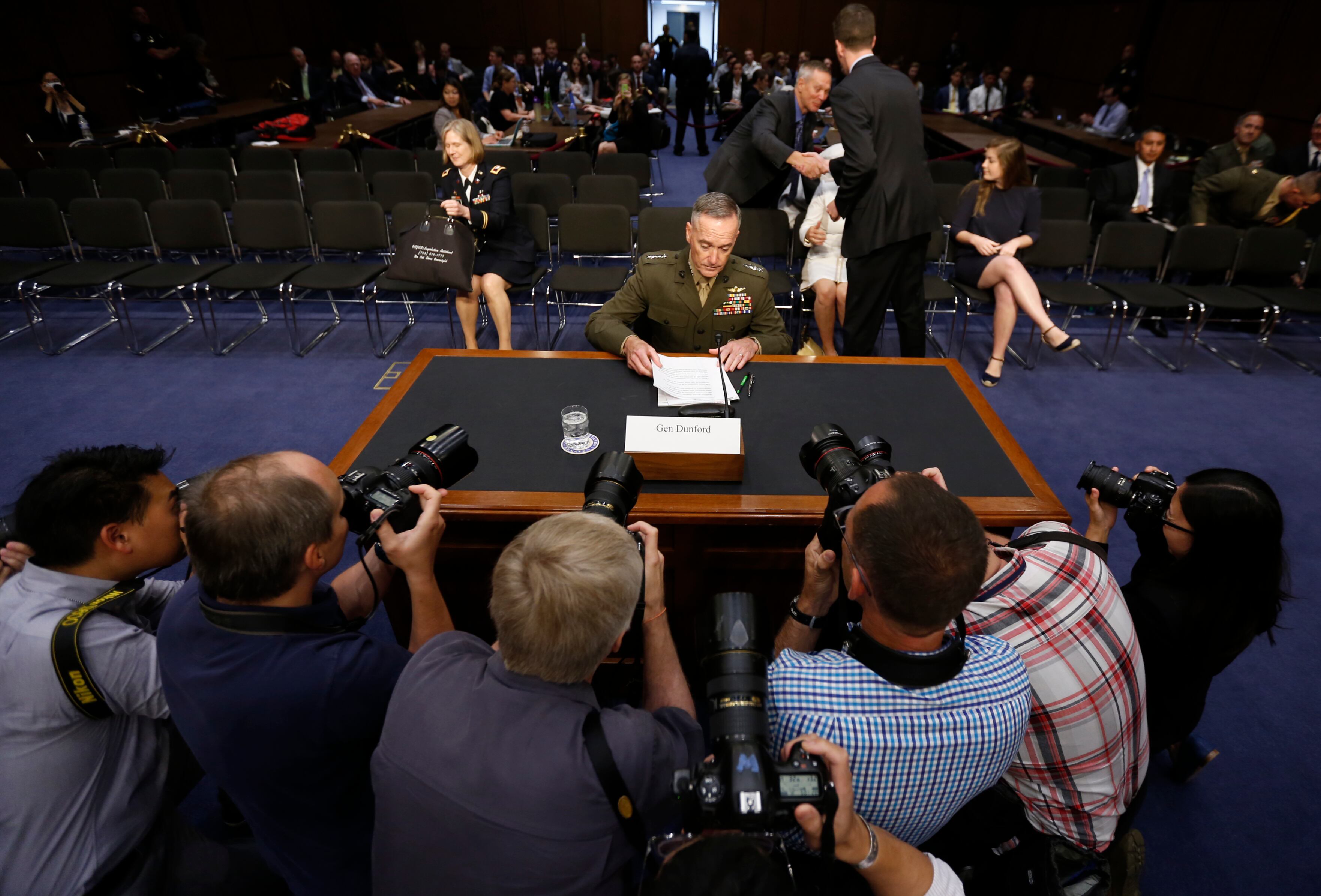
Incoming Joint Chiefs Chairman Marine Gen. Joseph Dunford is seen July 9 at his confirmation hearing. Both he and incoming Joint Chiefs Vice Chairman Gen. Paul Selva noted that continued military and diplomatic cooperation with nations like Russia and China are critical to diffusing the threat they pose.
Photo Credit: Mike Morones/Staff
Selva and Dunford both noted that continued military and diplomatic cooperation with nations like Russia and China are critical to diffusing the threat they pose.
In advance comments to the committee, Selva offered divided support for sanctions against Russia in light of its incursions into Ukraine.
"Sanctions by themselves are unlikely to deter future Russian aggression," he said, but added that sanctions "send a clear signal to Moscow that aggression against Ukraine's sovereignty and territorial integrity entails costs."
Conservative lawmakers have pushed for increased military assistance to Ukrainian forces, but Selva deferred on that issue, promising to take a closer look at potential solutions in the region if he is confirmed.
The nominees also faced a barrage of questions from senators over future cyber threats, and several lawmakers have promised more comprehensive discussions and legislation in coming months.
Both men are expected to be confirmed by the committee in coming days.
Leo covers Congress, Veterans Affairs and the White House for Military Times. He has covered Washington, D.C. since 2004, focusing on military personnel and veterans policies. His work has earned numerous honors, including a 2009 Polk award, a 2010 National Headliner Award, the IAVA Leadership in Journalism award and the VFW News Media award.