Anger is a common complaint by many service members. In most cases, it's not an isolated problem but a byproduct of a psychiatric disorder, drug or alcohol abuse, or never having learned how to control strong emotions.
There are many obvious reasons why someone should learn how to manage their anger. It can lead to relationship troubles, legal problems and, in severe cases, medical issues.
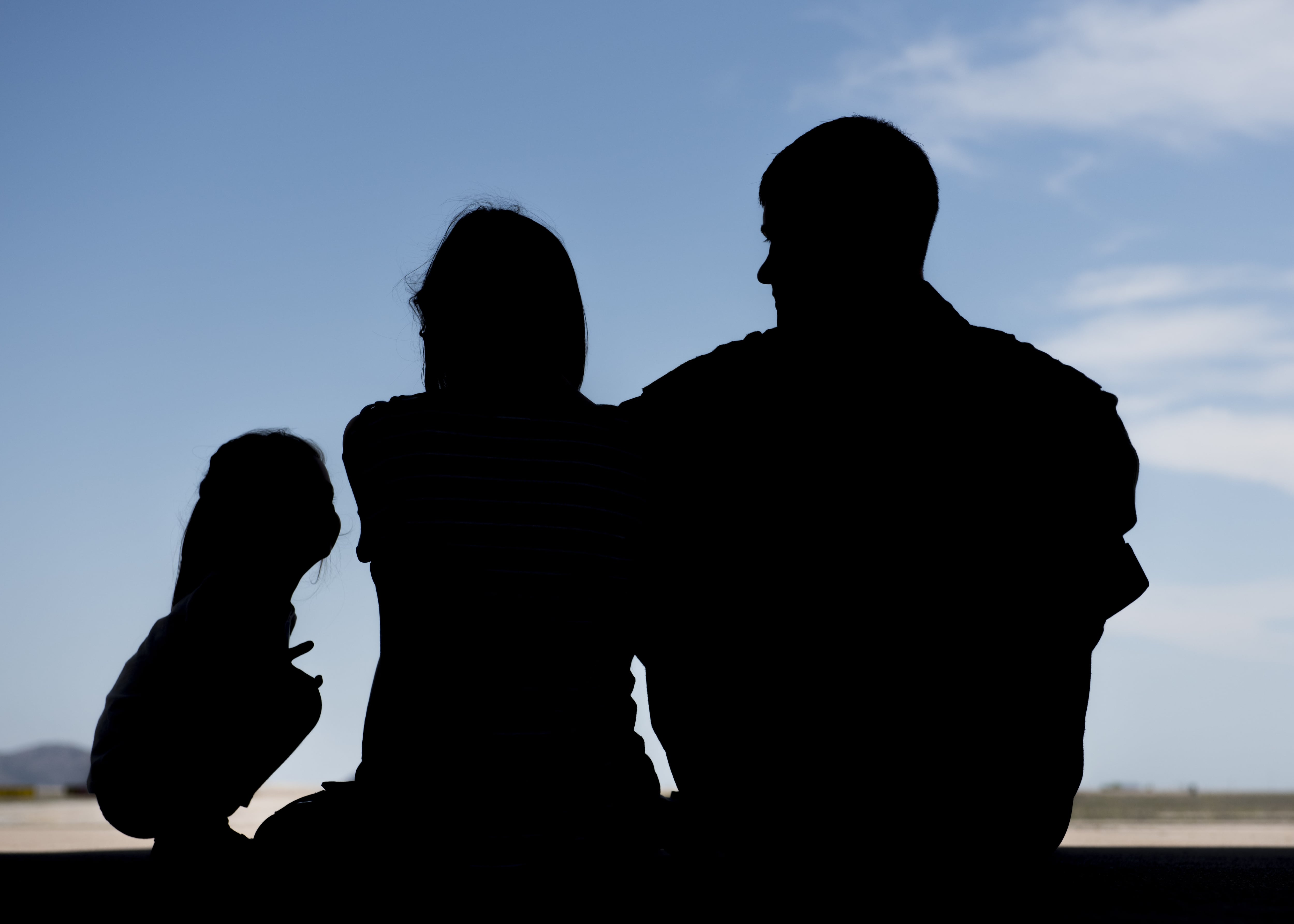
An often overlooked and underappreciated consequence of anger is the negative impact it can have on children.
The degree to which nature (our genes) and nurture (our environment) influence our development is debated by scientists. What is not debated is the fact that both play a critical role in determining the person you become. How we interact with our children sets the stage for how they will eventually treat other people.
If you often respond to your child with anger when you are stressed or annoyed, then you are teaching your child to do the same. If you yell at or scold your child every time he or she makes a mistake, then your child will have little patience for others and be seen as harsh and unforgiving. This will be most evident to your child's friends and teachers.
Anger directed at your spouse or significant other will have a significant impact on your child's intimate relationships as they get older. Male children who see their fathers yell at their mothers and disrespect them will likely grow up and do the same to their girlfriends and wives. Female children with angry fathers will learn to expect hostile and unpredictable behavior from the men in their lives. Similar results are seen when wives take their anger out on their husbands.
The good news is that your anger can be controlled and its negative impact on your children can be averted. The first step is to be honest with yourself. Do you tend to get upset over minor things? Do you take your anger out on your loved ones? Do you think your anger is hurting your relationships with your children or significant other?
If you are able to answer yes to any of these questions, it's time to seek help. The type you seek depends on you.
The self-help shelves of your local book store are crammed with books on how to control your anger. If you're not big on reading, consider talking with a counselor on post or base. If you'd rather see someone in the community, you can contact Military OneSource.
Regardless of which means of help you seek, it's important that you do it now. Your children will thank you.
You can learn more about anger and how to manage it at the American Psychological Association website. http://www.apa.org/topics/anger/control.aspx.