NEW DELHI — Two Iranian warships have docked in India and Sri Lanka after a U.S. submarine torpedoed an Iranian warship in the Indian Ocean just off Sri Lanka’s coast last week.
The sinking of the Iris Dena on March 4th was the first military strike outside the Middle East since the war began, and analysts say it raised concerns that the U.S.-Israeli military campaign against Iran could widen beyond the Persian Gulf if it drags on.
It also became a diplomatic embarrassment for New Delhi, which had hosted the sunken vessel for peacetime multilateral naval drills.
All three Iranian ships — the two vessels that are now in India and Sri Lanka as well as the torpedoed ship — were sailing in the Indian Ocean after participating in the exercises along India’s east coast.
The South Asian countries have called their decision to permit the ships to enter their ports a “humanitarian” gesture.
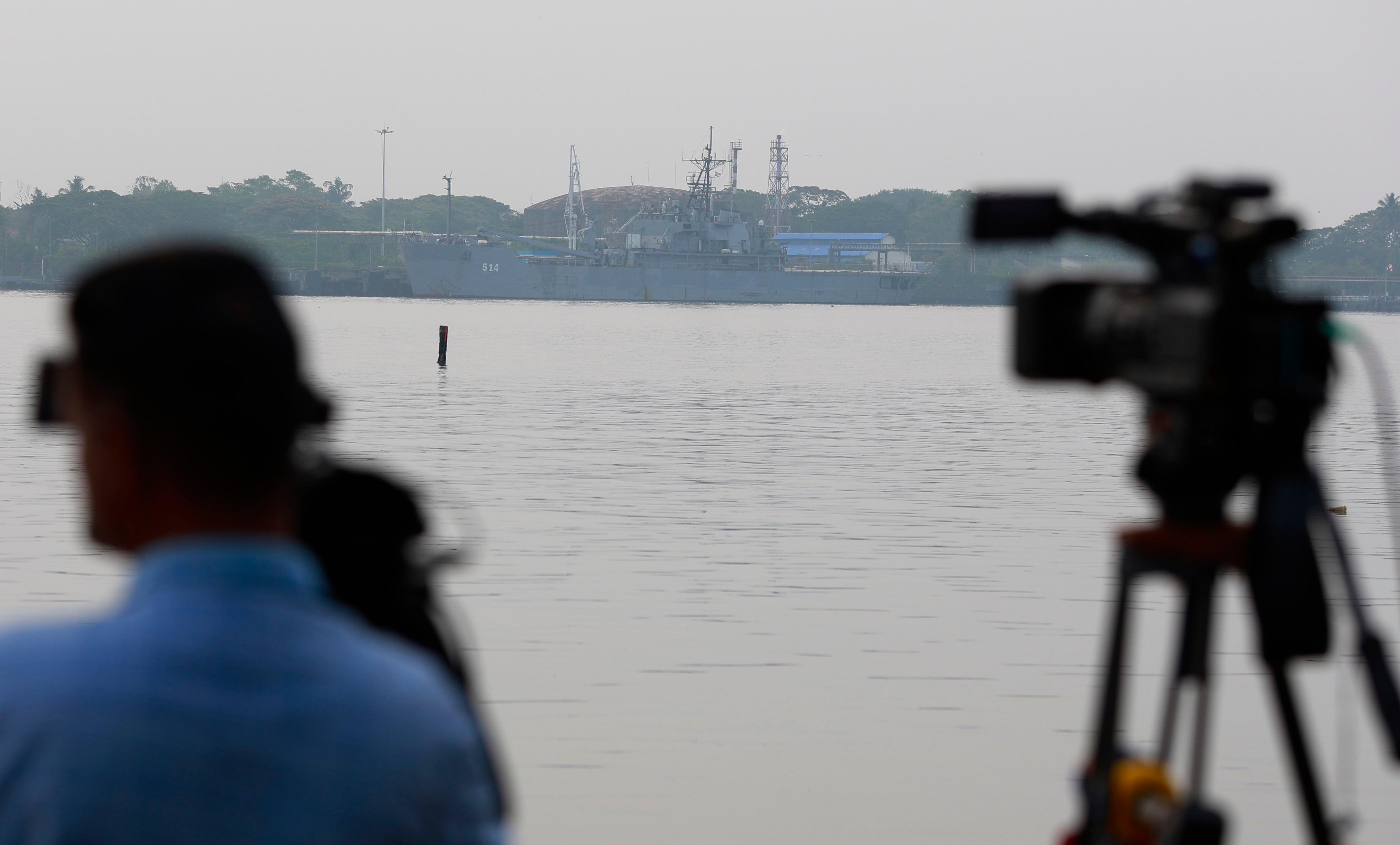
Indian Foreign Minister Subrahmanyam Jaishankar told parliament Monday the Iranian ship Iris Lavan sailed into the southern port of Kochi last week after it reported a technical problem. Its crew, mostly young cadets, have been housed at Indian naval facilities.
He said that the government believed “it was the right thing to do.”
Sri Lanka, an Indian Ocean island country lying southeast of India, took control of Iran’s Irins Bushehr and offloaded some 288 crew members at Trincomalee port after the ship had sought assistance saying one of its engines malfunctioned.
A day earlier, its navy rescued 32 sailors and recovered 87 bodies from the sunken Dena.
The South Asian country has stressed its neutrality after finding itself caught in the conflict saying it would take no sides.
India, which has friendly ties with all parties in the conflict — the U.S., Israel and Iran — has steered clear of explicitly supporting or condemning any side since the hostilities erupted. Neither has made any official comment on the sinking of the Dena. Foreign Minister Jaishankar has only said that the ships were caught “on the wrong side of events.”
Washington has vowed to destroy Iran’s military capabilities, including its navy.
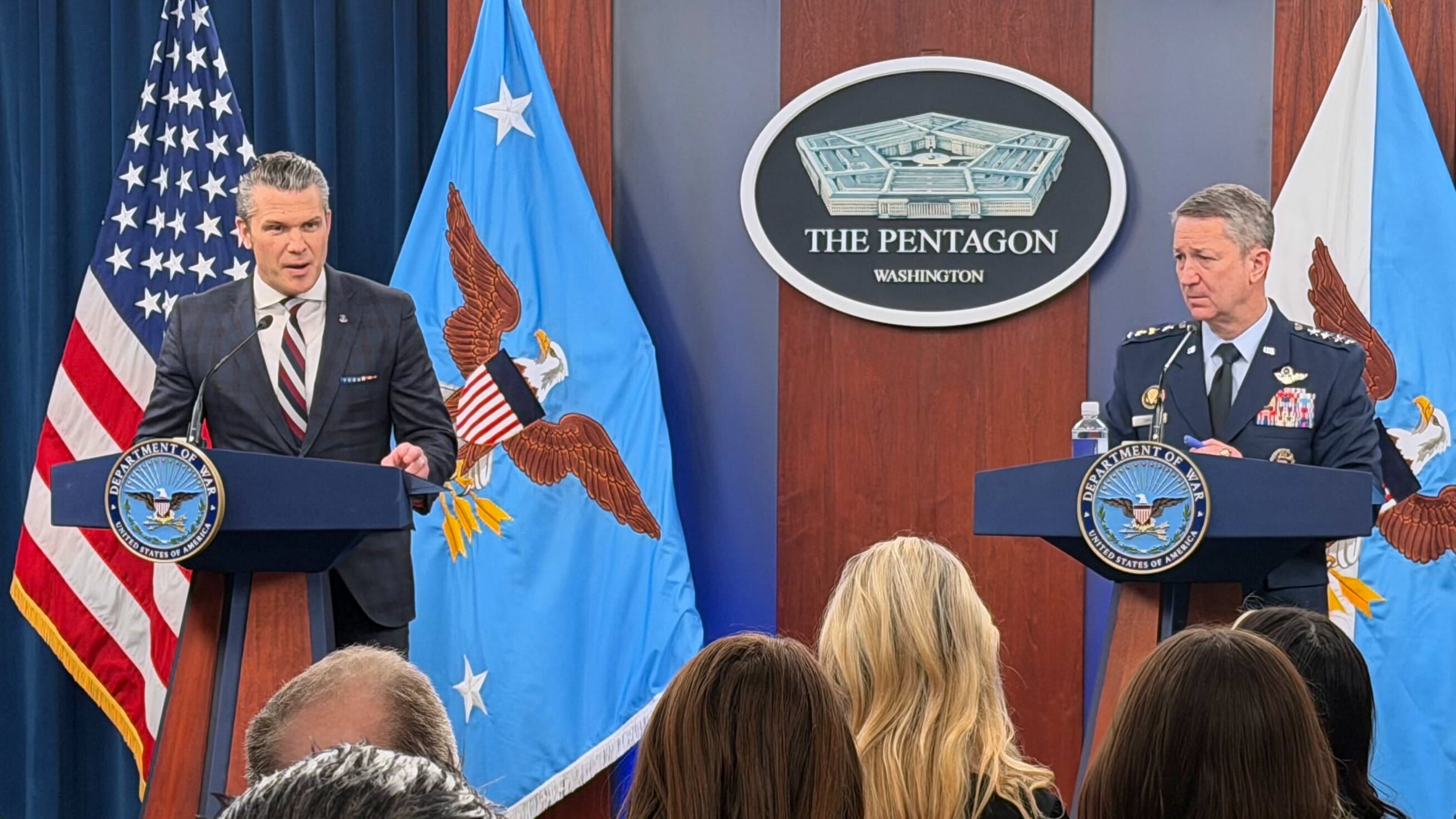
“An American submarine sank an Iranian warship that thought it was safe in international waters,” U.S. Defense Secretary Pete Hegseth stated last week, calling it a “quiet death.”
The ship was torpedoed in international waters, but the U.S. attack on the vessel close to Sri Lanka raised questions about the expanding scope of the military campaign against Iran.
“So far we had assumed the conflict was confined to the Persian Gulf. But when the ship was sunk off the coast of Sri Lanka, which is 3000 kilometers away, the implication was that there are chances of the conflict spreading,” said Arun Prakash, a former Indian navy chief.
“Perhaps it was also a message to India and others – after all the ship was no direct threat to the U.S. — that the U.S. has an extensive reach and can strike wherever it wants,” he added.
The naval exercises hosted by India, in which 74 countries and 18 foreign warships participated, intended to showcase its influence in its maritime neighborhood. New Delhi, which has been building its naval prowess, has often stated its ambitions to become the “preferred security partner” in the Indian Ocean, which is also a crucial artery for seaborne oil trade.
But analysts said that Dena’s sinking had cast a shadow over India’s regional aspirations.
“This episode demonstrates that we are not really the sentinels of the Indian Ocean — it shows the gap between India’s rhetorical position and the reality. Even though New Delhi was not obliged to protect the ship which the U.S. struck in international waters, there was an ethical dimension because the ship had been its guest,” according to Manoj Joshi, distinguished fellow at the Observer Research Foundation in New Delhi.
The targeting of the vessel also showed that the defense partnership which New Delhi and Washington have been cultivating in recent years remains “asymmetrical” and has limits, Joshi said. “When push comes to shove, the U.S. does what it feels like. Even in the Indian Ocean, it operates as it wants.”
Iranian Deputy Foreign Minister Saeed Khatibzadeh, who was in New Delhi last week, said that India must ask the United States why it is targeting Iranian ships in the Indian Ocean.
Iran and the U.S. have sparred over whether the Dena was a legitimate wartime target. While Iran says that the ship was unarmed, the United States Indo-Pacific Command has rejected that claim.