Editor’s note: This story was updated Friday to include the list of conditions precluding recruits from enlistment.
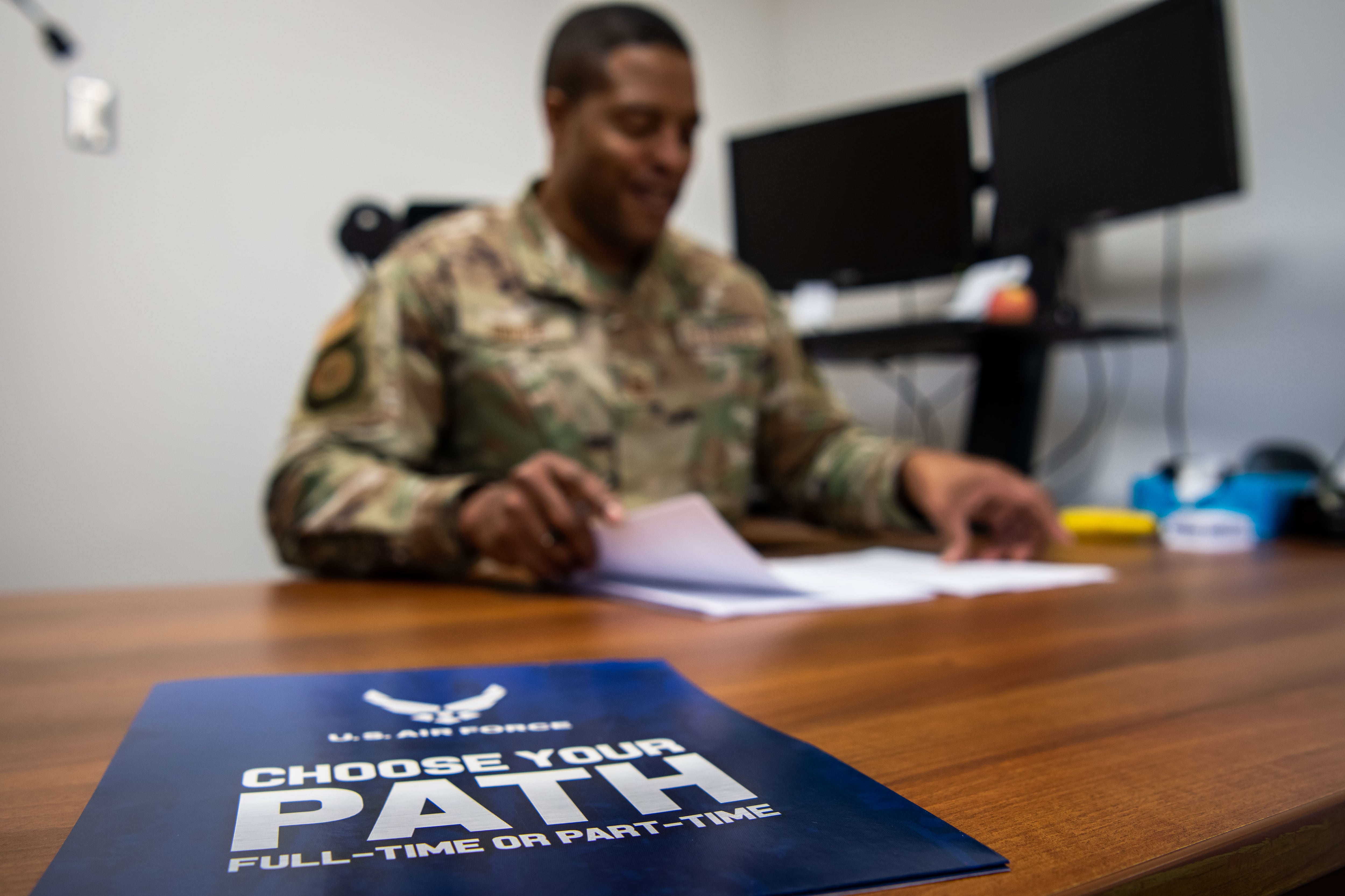
The U.S. military is tightening its entry standards by shifting more than two dozen medical disqualifications to the earliest stages of the recruitment process.
U.S. Military Entrance Processing Command, also known as USMEPCOM, announced this week that it will prescreen prospective recruits for 28 medical conditions that have been deemed highly unlikely to receive enlistment waivers.
The change does not alter the current eligibility standards so much as it recalibrates the timing of judgement. Determinations that once emerged later in the process will now be flagged at the very first point of contact.
“This is a shift order,” Army Col. Megan McKinnon, USMEPCOM command surgeon, said in a statement. “Instead of doing complete processing and then handing it to the waiver authority, we’ve created a trigger on the front end for these specific conditions that requires additional Service sign off, because all Services agreed that they are unlikely to be waived on the back end.”
Officials say the goal is to conserve resources and reduce unnecessary medical evaluations, particularly in cases not expected to be approved.
The list, shared with Military Times, includes: any aortic anatomical abnormalities classified as congenital defects; surgical correction of the main cardiac vessels which are congenital defects; any heart valve replacement; Mobitz Type II second-degree atrioventricular block; bariatric surgery other than gastric sleeve; biopsy proved Crohn’s disease or ulcerative colitis; weight bearing joint replacement; cervical spinal fusion; current knee ligament rupture or repair within the past 12 months; stress fractures in any site within the past six months; pilonidal cyst or less than six months post-surgery; eczema or psoriasis requiring oral or injectable medications within the last 12 months; active malignancy; resolved malignancy; resolved malignancy with less than one year of remission; sickle cell disease; two or more unprovoked thromboembolic events; Marfan syndrome; fibromyalgia within the last 12 months; systemic lupus erythematosus; peanut anaphylaxis; implanted battery-powered devices; Type 1 or Type 2 diabetes; narcolepsy; parasomnias after the 18th birthday; use of antipsychotic or mood stabilizers; two or more lifetime suicide attempts; bipolar I or II with a documented episode of mania or hypomania; and previous discharge from any uniformed service for behavioral health conditions with the past 12 months.
Defense Secretary Pete Hegseth also issued a memo in March directing a comprehensive review of military standards — including those pertaining to physical fitness, body composition and grooming — across all branches.
The new policy comes as President Donald Trump, speaking at an early Mother’s Day event at the White House honoring military moms, touted a recent uptick in enlistment. Fiscal 2025 marked the highest level of recruiting in more than 15 years, according to the Pentagon.
“Every branch is setting records in recruitment,” the president said on Wednesday. “I can say very confidently, at this moment, we have the highest recruitment, the most successful recruitment for the military — Army, Navy, Air Force, Marines, Coast Guard, Space Force, all of it."
“We have lines of people waiting to get in. We’re taking people based on their fitness and their quality,” he added.
Tanya Noury is a reporter for Military Times and Defense News, with coverage focusing on the White House and Pentagon.