A military appeals board has ruled that the Pentagon bears no responsibility in the death of 26-year-old Army specialist whose family says her health concerns and request for a diagnostic test were ignored by medical providers until it was too late for treatment.
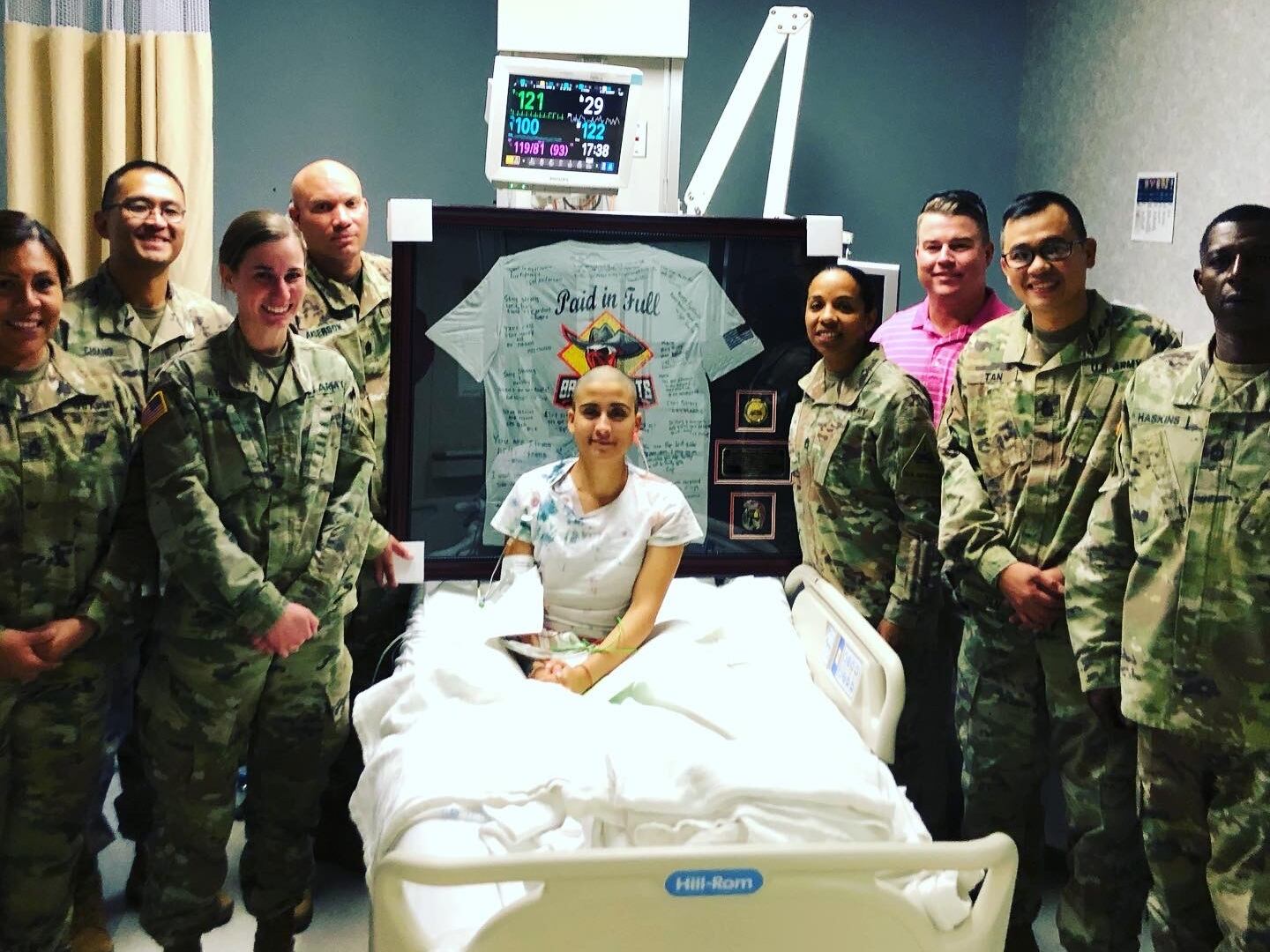
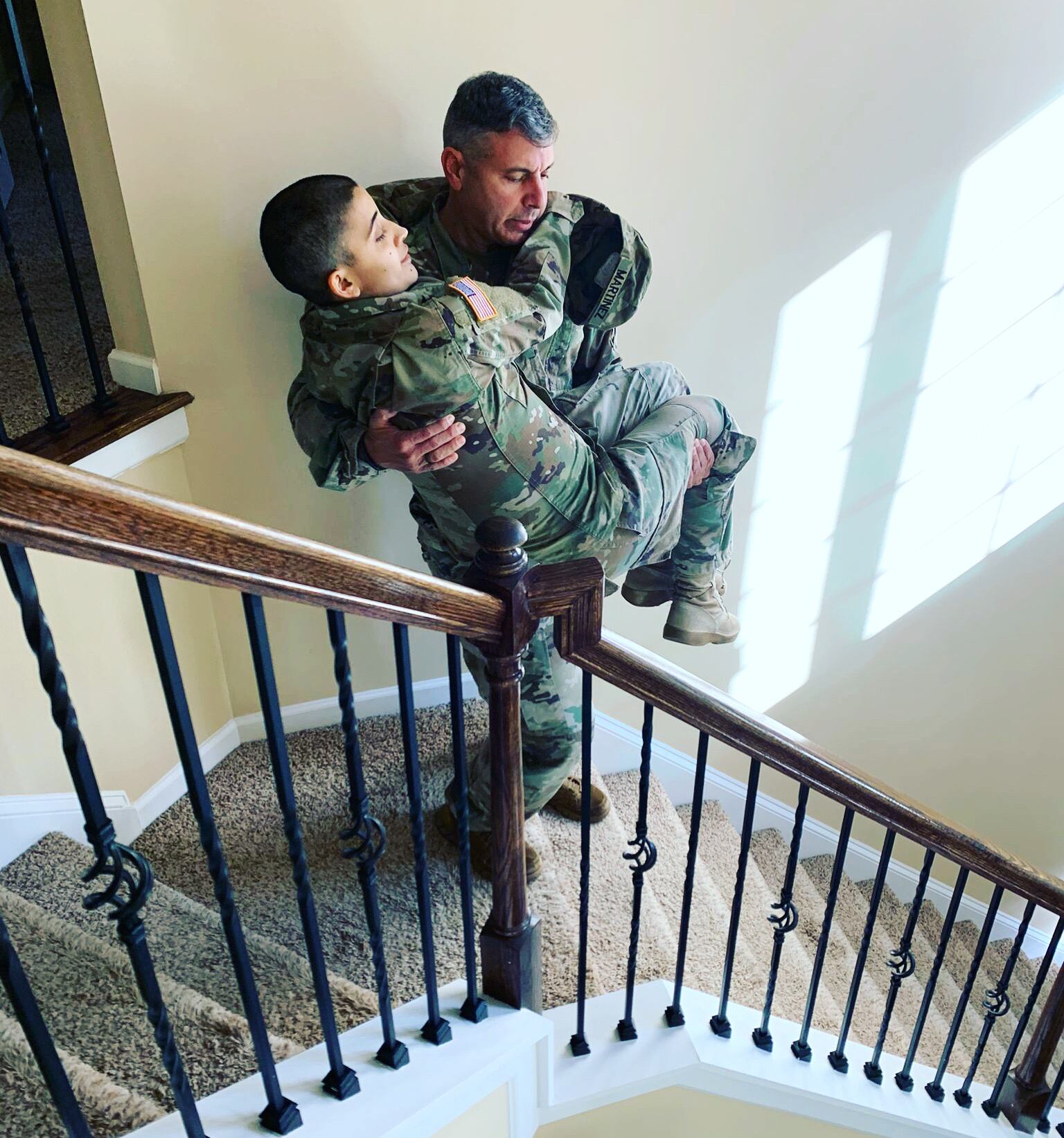
A March 11 letter from the Defense Health Agency’s Military Medical Malpractice Claims Appeals board rendered final judgment in the case of Spc. Maria Martinez,who died in 2021 of breast cancer after receiving a Stage 4 diagnosis at Fort Bliss, Texas, in October 2019.
Her family, led by her father, Army Lt. Col. Ed Larumbe, filed a suit against the military for medical malpractice in 2021 prior to Martinez’ death, saying she had reported concerning symptoms and asked for help 10 months prior, but was dismissed and sent away by providers.
The military initially moved to dismiss Martinez’ suit on grounds that it was filed outside the two-year statute of limitations, with review boards holding that the clock started ticking on the day of her diagnosis.
The denial on appeal, though, takes another tack. In a decision signed by Chairman Derek Shoup, the Military Medical Malpractice Claims Appeals Board states that “the preponderance of the evidence” shows that military health care providers had no reason to know that Martinez needed a diagnostic MRI prior to May 2019, when a civilian oncologist transmitted her consultation notes to the Defense Department.”
Further, the Appeals Board found that any portion of the delay in diagnosis attributable to the [Department of War] (from May 2019 to October 2019) was not the legal cause of any compensable harm,” the letter continues. “After careful review of the expert reports obtained by the Army as well as those submitted by your client, the Appeals Board concluded that, more likely than not, diagnosis five months sooner would not have impacted the outcome or altered Specialist Martinez’s treatment or prognosis.”
Pentagon officials did not immediately respond to a request for comment on the decision.
The decision comes despite an expert analysis the family submitted on appeal. The analysis, by retired oncologist Kenneth Pennington, found that persistent skin irregularities — coupled with Martinez’ family history of breast cancer and the presence of the BRCA2 genetic indicator — should have been flagged as cancer indicators at her first medical encounter.
“It is my opinion, within a degree of medical certainty, that the failure to expedite diagnostic studies that would have led to the detection of cancer at a much earlier time was a violation of the standard of care,” Pennington wrote in the assessment. “This act of negligence deprived [Martinez] of a chance for [a] cure.”
In the military system, this appeals decision represents a final step in the process, without formal recourse. In an interview with Military Times this month, family attorney David Sheldon said he wanted to pursue legislative change to allow for judicial review of board decisions — a move that would align the military medical claims system with the Federal Tort Claims Act, for civilian government workers.
“In my view, judicial review gives individuals the right to get an objective,unbiased opinion,” Sheldon said. “I don’t … suggest that the appeals board here didn’t take its charge seriously, but at the end of the day, I think I’d rather have a judge make that call, who’s truly independent.“
The right of service members to file medical malpractice claims dates back only to 2020, when Congress passed a law named for Sgt. First Class Richard Stayskal, an Army machine gunner diagnosed with Stage 4 lung cancer who alleges Army doctors missed earlier opportunities to catch the disease.
Despite the legislation named for him, Stayskal received a final denial on his claim from the Defense Health Agency in 2023. A 2022 report found, of nearly 450 military medical malpractice claims filed at that point, just 11 — or about 2.5% — had been approved.
The Healthcare Equality and Rights for Our Heroes (HERO) Act, sponsored by Reps. Richard Hudson, R-N.C., and Darrell Issa, R-Calif., would grant troops and military family members the right to bring malpractice claims to District Court. That legislation was re-introduced in December.
For Sheldon, keeping the appeals process internal to the Pentagon undermines its legitimacy. He also said he didn’t find the reasoning for the board’s recent denial convincing.
“I think five months does matter; you can’t tell me that it wouldn’t have mattered,” he said. “You messed up, and you’re acknowledging that you messed up … and had you [not], the equation may have changed. And for me, that’s enough. They seem to think otherwise, but there is clear negligence here, clear admitted negligence, and they’re hanging their hat, in my opinion, on the slimmest read that you possibly could to say that this is not proximately caused.“
Larumbe, who previously told Military Times that the loss of his daughter had shaken his faith in the Army to which he’d dedicated three decades of his life, did not immediately respond to requests for comment about the recent decision on appeal. In a 2024 interview, he said he was in the process of retiring and that he and his wife were looking to “reinvent” themselves after the death of their daughter.
But he said at the time that he was open to pursuing a change to existing law that might help other troops.
“That is something that we have to take on,” Larumbe said. “How do we further help other soldiers who might be going through this, so that they don’t receive the same mistreatment, or lack of treatment, that Maria did.”