For more than 150 years, the Battle of the Little Bighorn has been one of the most written about subjects in American history. Was it because Lt. Col. George Custer disobeyed orders, disregarded the warnings of his scouts, violated the principles of warfare by dividing his command and was ambushed? Was he the victim of a conspiracy? Or was he simply outsmarted and outgunned?
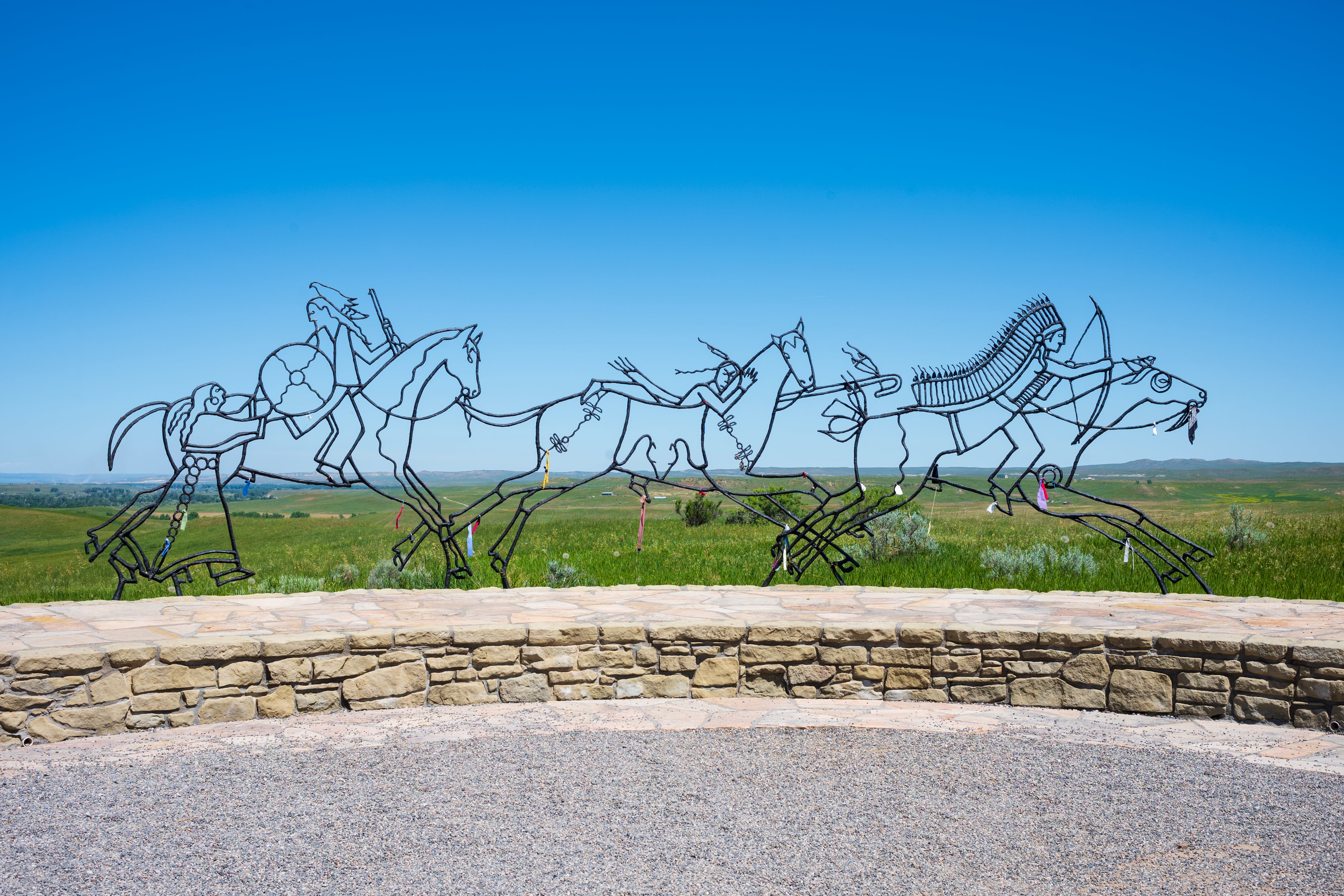
Debate over how Custer and his five companies of the 7th Cavalry were overwhelmed in southeastern Montana Territory by a combined force of Lakota and Cheyenne warriors on June 25, 1876, has not been resolved and now, controversy is developing once again — this time over its interpretation at Montana’s Little Bighorn National Monument.
Following President Donald Trump’s March 2025 “Restoring Truth and Sanity to American History” order, the National Park Service recently removed signage “describing broken promises to Native American tribes and references to the loss of Indigenous culture and language under boarding school systems,” according to a local Montana outlet, KTVQ.
According to Trump’s executive order, the secretary of the interior has the power to “take action … to ensure that all public monuments, memorials, statues, markers, or similar properties within the Department of the Interior’s jurisdiction do not contain descriptions, depictions, or other content that inappropriately disparage Americans past or living (including persons living in colonial times), and instead focus on the greatness of the achievements and progress of the American people or, with respect to natural features, the beauty, abundance, and grandeur of the American landscape.”
Within the past year, signs referencing slavery, climate change and Native American history have been removed from at least 17 national park sites in six states — the most recent being at Independence National Historical Park in Philadelphia, where the Trump administration took down an exhibit that memorialized nine people enslaved by George Washington.
Workers can be seen taking a crowbar to the panels, including one that detailed the slave trade and slave economy, The New York Times reported.
In Montana, the removal has not gone unnoticed.
This week, the Northern Cheyenne Tribal Council unanimously voted 11-0 to prevent changes to or removals of Native American markers, monuments and signage at the battlefield, according to a press release.
The tribe also cited Montana’s Article X in its constitution that recognizes and works to preserve the “distinct and unique cultural heritage of the American Indians and is committed in its educational goals to the preservation of their cultural integrity.”
“It’s disturbing, disgusting and wrong,” Keianna Cachora, an employee at the Custer Battlefield Trading Post, told KTVQ. “You should not erase other people’s history because it makes you uncomfortable.”
“We’re going to keep telling our story. This victory happened 150 years ago, and they’re welcome to join us because we’re going to have a victory,” Lucy Real Bird, a teacher at Crow Agency Public Schools, told the outlet.
“We’re still going to continue teaching our language, teaching our history, being who we are as Apsáalooke’s, as Indigenous people, and the original people of this land,” Real Bird added.
Claire Barrett is an editor and military history correspondent for Military Times. She is also a World War II researcher with an unparalleled affinity for Sir Winston Churchill and Michigan football.