With no agreement on funding for the Department of Homeland Security by Friday and Congress on recess until Feb. 23, the U.S. Coast Guard is expected to undergo a shutdown beginning at midnight on Friday.
For more than 41,000 active-duty and activated Reserve members, the lack of funding means working without pay, although they likely will not feel the effects until the next scheduled military payday Feb. 27, which they could miss if Congress can’t reach an agreement immediately after reconvening.
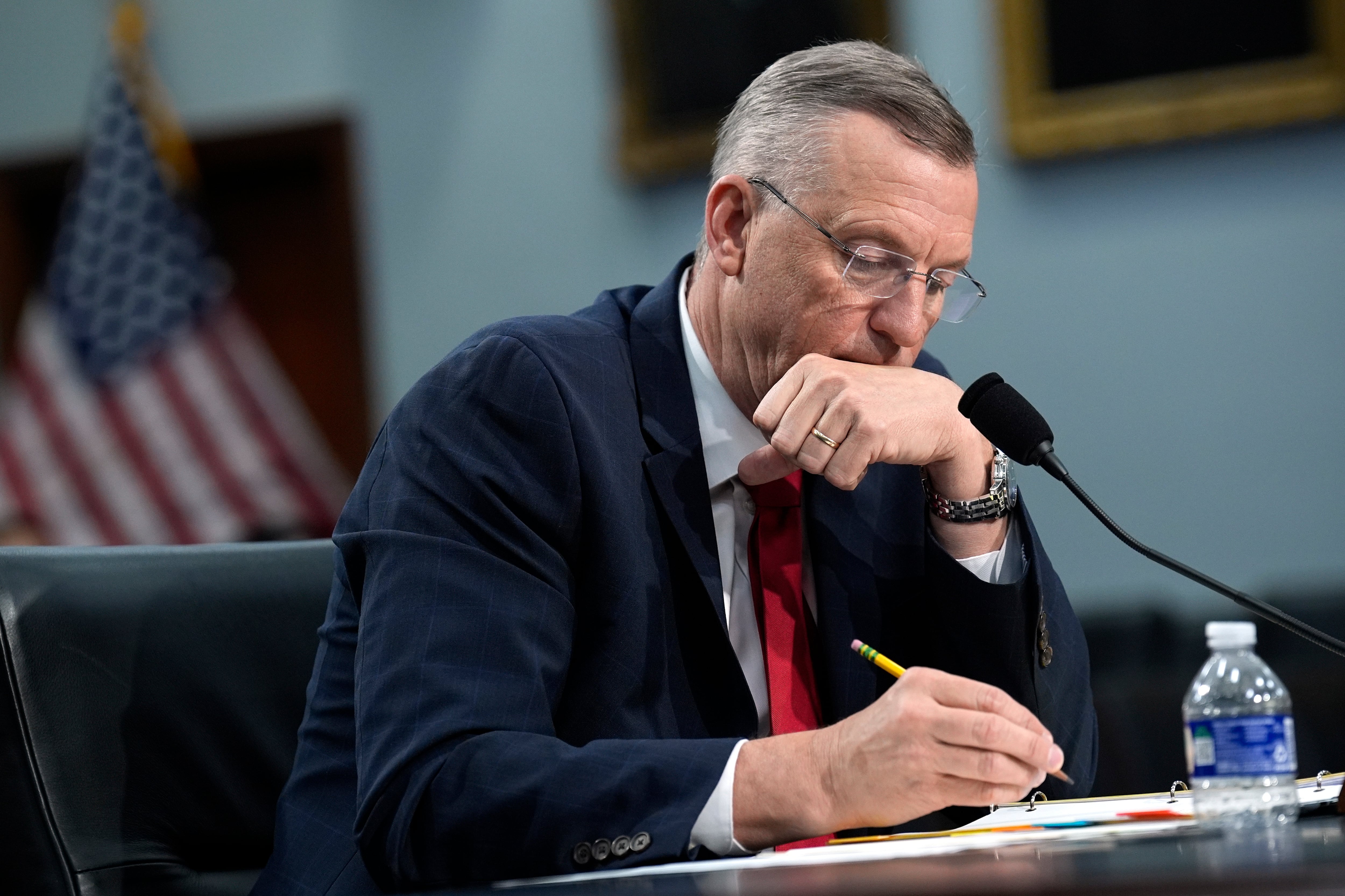
Coast Guard Vice Commandant Vice Adm. Thomas Allan said Wednesday that a shutdown of more than a few days would harm morale and affect pay during a time when the Coast Guard is working to improve recruitment and grow its force.
Testifying before a House appropriations subcommittee, Allan said the issue was not a “distant administrative issue” for the men and women of the Coast Guard and those who rely on the service.
“The uncertainty of missing paychecks negatively impacts readiness and creates a significant financial hardship for service members and their families,” Allan said.
During a shutdown that spanned December 2018 and January 2019, Coast Guard members missed several paychecks, and although they eventually received their back pay, were deeply affected by the lapse in funding, forcing some to turn to charities and food pantries to cover their bills and eat.
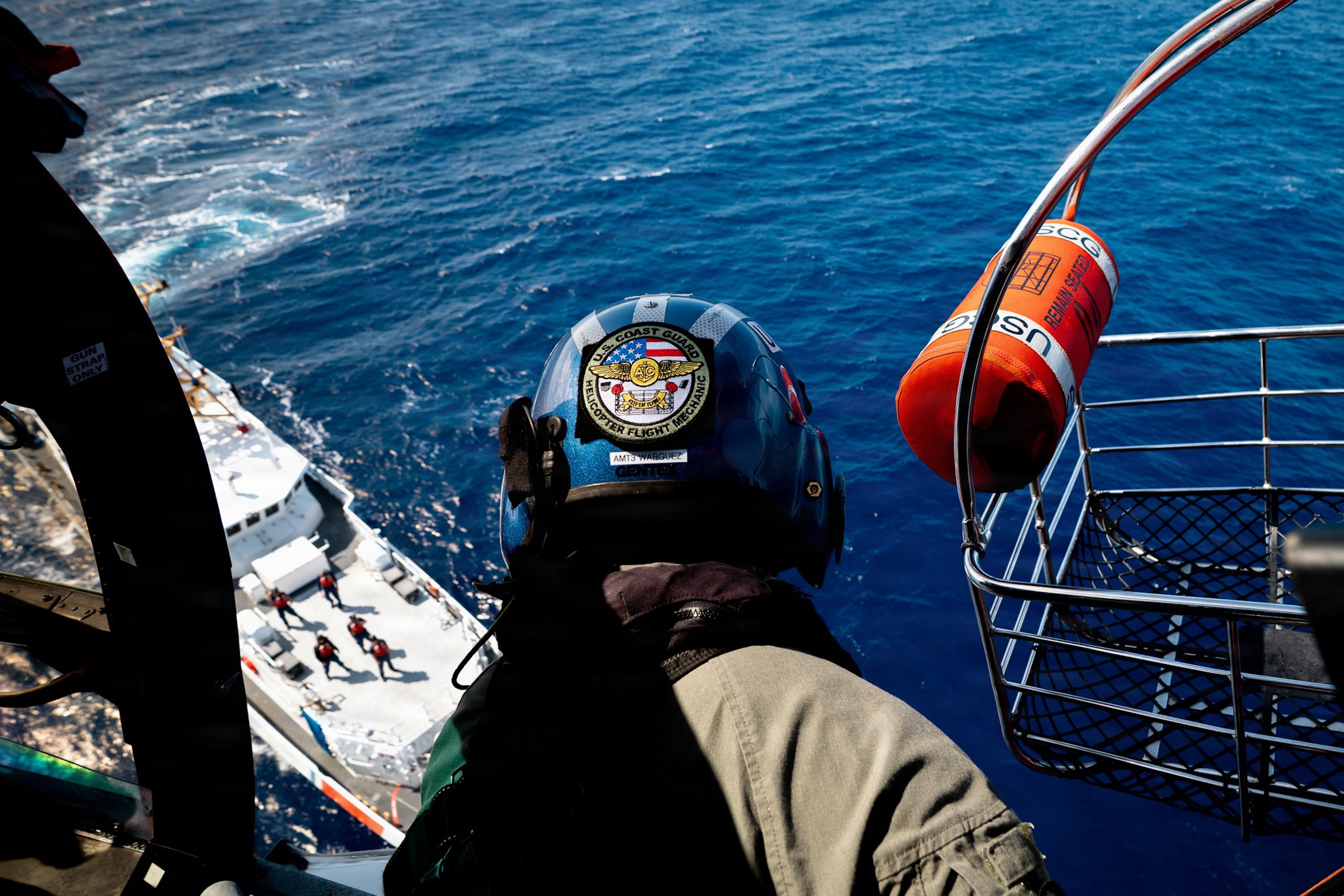
“The gunner’s mate manning a weapon in the Strait of Hormuz should not have to worry if their family will be able to pay rent while being shadowed by Iranian vessels,” Allan told subcommittee members Wednesday. “Our aviation survival technician deploying from a helicopter into treacherous seas should not have to worry if their family can buy groceries this week.”
He added that some training for pilots, aircrews and boat crews would be suspended and maintenance would be deferred, resulting in grounded aircraft, berthed cutters and a parts backlog.
The shutdown also will halt some fisheries enforcement operations, commercial vessel inspections and merchant mariner credentialing.
Coast Guard leadership did not provide further details to Military Times on Friday about the shutdown’s impact and referred all questions to the White House.
The Coast Guard has nearly 10,000 civilian employees, all of whom also will be affected by the shutdown in some way. Under procedures published by the federal Office of Personnel Management and Budget, civilian Coast Guard employees are designated either as nonexempt from furlough or considered essential or exempt because their jobs are necessary for national security or involve protection of life or property.
The roughly two-thirds of the Coast Guard’s civilian work force who are nonexempt will be furloughed and required not to do any work nor receive any pay during the shutdown. Essential employees will continue working without pay.
Whether both groups eventually will receive pay could depend on the final DHS funding bill. During the lengthy 43-day federal shutdown last fall, Office of Management and Budget Director Russell Vought said the Government Employee Fair Treatment Act of 2019 does not guarantee back pay automatically and Congress must include the requirement in the appropriations law.
The Homeland Security shutdown affects numerous agencies that fall under the department, including the Transportation Security Administration, Federal Emergency Management Agency and others.
The shutdown is the result of an impasse between congressional Republicans and Democrats over immigration enforcement operations by Immigration and Customs Enforcement, Customs and Border Protection and other federal law enforcement that have led to the deportation of thousands of noncitizens, the detention of some American citizens and U.S. veterans and killings of two American citizens in Minneapolis in January.
CBP and ICE largely will be unaffected by the shutdown because they received funding in the Trump administration’s federal and economic investment package known as the One Big Beautiful Bill Act.
Patricia Kime is a senior writer covering military and veterans health care, medicine and personnel issues.